India is not just growing digitally—it’s exploding, and that’s exactly why understanding SEO Tips for Indian Bloggers has never been more important. With over 850 million internet users and counting, India is one of the largest online markets in the world. Every small town, every metro city, and even rural villages are coming online thanks to affordable smartphones and budget-friendly data plans. If you’re an Indian blogger, you’re not competing in a small pond—you’re swimming in an ocean. And that ocean is crowded.
Table of Contents
Think about it. Whether you’re writing about finance, fashion, tech, travel, education, or cricket (because let’s be honest, cricket deserves its own category), there are already thousands of bloggers publishing daily. So how do you stand out? This is where SEO (Search Engine Optimization) becomes your most powerful weapon.
SEO isn’t just about ranking on Google. It’s about visibility, credibility, and sustainable growth. Paid ads can give you quick traffic, but the moment you stop paying, the traffic disappears. SEO, on the other hand, builds long-term equity. It’s like owning property instead of renting it.
The Indian blogging landscape is also unique because of language diversity. Hindi, Tamil, Telugu, Bengali, Marathi, Gujarati—the list goes on. Regional blogging is rising rapidly. Google now prioritizes content that matches user intent and language preference. So if you understand your audience deeply, you already have an edge.
Let’s break down exactly how you can use smart SEO strategies tailored specifically for Indian bloggers to dominate your niche.
Growth of Digital Users in India
India’s digital growth story is nothing short of extraordinary. According to recent industry reports, India adds millions of new internet users every year. Thanks to affordable 4G and expanding 5G networks, even Tier 2 and Tier 3 cities are fully connected. This shift has changed the blogging game completely.
Earlier, blogging was metro-focused. Today, someone from Indore, Lucknow, Kochi, or Guwahati can build a successful blog and reach a national—or even global—audience. The playing field has become more democratic. But with opportunity comes competition.
Here’s what makes India unique:
- A massive mobile-first audience
- Rapid growth in vernacular content consumption
- Increasing online shopping and affiliate opportunities
- Growing demand for financial literacy, career guidance, and tech education
Google itself reports that a majority of Indian users access the internet primarily via smartphones. That means your blog must be optimized for speed, readability, and mobile responsiveness. If your site takes more than three seconds to load, many users will simply leave. Patience is thin in the digital age.
Another major shift? Voice search. With the popularity of Google Assistant and regional voice queries, more Indians are searching in conversational phrases like, “best budget phone under 15000 in India” instead of just “budget phone India.” That changes your keyword strategy entirely.
If you’re not adapting to these trends, you’re leaving traffic—and money—on the table.
Why SEO Is Non-Negotiable for Indian Bloggers
Let’s get real for a moment. Posting articles without SEO is like opening a shop in the middle of a desert and hoping customers magically appear. It just doesn’t work.
In India, competition is fierce. Popular niches like personal finance, government jobs, tech reviews, and health tips are saturated. Big players dominate page one of Google. So why would Google rank your content?
Because SEO helps you prove relevance and authority.
Google’s algorithm looks at over 200 ranking factors. These include keyword relevance, page speed, backlinks, content quality, user engagement, and more. If you ignore these factors, your blog will struggle no matter how good your writing is.
SEO is non-negotiable because:
- Organic traffic converts better than social traffic.
- It provides consistent, long-term results.
- It builds trust and credibility.
- It reduces dependency on paid ads.
Imagine writing one well-optimized article that ranks on the first page and brings 5,000 visitors per month. That’s 60,000 visitors a year from a single post. Multiply that by 20 articles. Now you see the power?
Successful Indian bloggers understand this. They don’t just write—they strategize. They research search intent, optimize headlines, structure content properly, and build backlinks.
If you want to grow beyond hobby blogging and turn it into a serious income source, SEO isn’t optional. It’s foundational.
Mastering Keyword Research for the Indian Audience

Keyword research is the backbone of SEO. Without it, you’re guessing. And guessing rarely builds traffic.
For Indian bloggers, keyword research must be hyper-specific. Why? Because user intent in India differs from Western markets. For example, someone searching “best laptop” in the US might look for premium devices. In India, many users search “best laptop under 50000.” Price sensitivity plays a huge role.
Tools like Google Keyword Planner, Ubersuggest, Ahrefs, and SEMrush can help you identify:
- Search volume
- Keyword difficulty
- Cost-per-click (useful for monetization)
- Related queries
But here’s the trick—don’t just chase high-volume keywords. They’re often dominated by big brands like Amazon, Flipkart, NDTV, or Times of India.
Instead, focus on keywords with:
- Moderate search volume
- Low to medium competition
- Clear search intent
For example, instead of targeting “mutual funds,” try “best mutual funds for beginners in India 2026” or “SIP vs FD which is better in India.”
Specific beats generic every time.
Another smart move? Use Google’s “People Also Ask” and “Related Searches” sections. They reveal exactly what Indian users are curious about. It’s like getting a direct look inside your audience’s mind.
Keyword research isn’t a one-time task. It’s ongoing. Trends change. New products launch. Government policies update. Stay updated and adjust your content strategy regularly.
Using Localized and Regional Keywords
India isn’t one audience. It’s many audiences rolled into one country. Cultural differences, language variations, and regional preferences all influence search behavior.
If you’re writing in English but targeting Indian readers, consider adding contextual relevance. For instance:
- Mention Indian currency (₹)
- Refer to Indian laws or policies
- Use relatable examples like Flipkart, Zomato, or IRCTC
If you’re blogging in Hindi or another regional language, your opportunity is even bigger. Regional language searches are growing faster than English searches in India. Google has invested heavily in understanding Indian languages, meaning properly optimized vernacular content can rank quickly.
You can also mix keywords strategically. For example:
“Best credit card in India क्या है” or “Digital marketing course in Delhi fees.”
This hybrid search behavior is common among Indian users.
Localized SEO also includes geo-targeting. If you run a travel or local services blog, use city-specific keywords like:
- “Best cafes in Jaipur”
- “Digital marketing course in Bangalore”
- “Home tuition in Mumbai”
Local intent often converts better because the user is ready to take action.
The more specific you are about your audience’s geography and language preferences, the stronger your SEO performance will be.
Leveraging Long-Tail Keywords for Less Competition
If short keywords are highways packed with traffic jams, long-tail keywords are quiet side streets where you can drive smoothly and reach your destination faster. That’s exactly how they work in SEO. Most Indian bloggers make the mistake of targeting broad terms like “insurance,” “recipes,” or “blogging tips.” These keywords are dominated by massive authority websites with huge backlink profiles. Competing there is like challenging Virat Kohli to a cover drive contest on your first day of cricket practice.
Long-tail keywords, on the other hand, are specific and intent-driven. Think about phrases like “best term insurance plan for 30-year-old in India,” “easy paneer recipes for beginners at home,” or “how to start a blog in India with zero investment.” These keywords may have lower search volume individually, but collectively they bring highly targeted traffic. And here’s the magic—users searching long-tail phrases are usually ready to take action.
In India, search behavior often includes price brackets, comparisons, and regional references. Phrases such as “under 20000,” “vs,” “review in Hindi,” or “near me” are extremely common. If you strategically create content around these long-tail variations, you significantly reduce competition while increasing conversion rates.
Another advantage? Voice search optimization. With millions of Indians using voice assistants, conversational long-tail queries are rising rapidly. People ask complete questions like, “Which is the best laptop for students under 50000 in India?” If your content answers that question clearly and directly, Google is more likely to feature you in the snippet position.
Instead of chasing one high-volume keyword, create clusters of long-tail articles around a broader topic. Over time, Google begins to recognize your topical authority. And that’s when rankings start climbing consistently.
Creating High-Quality Content That Ranks

Let’s be honest. You can master keywords, optimize titles, and tweak meta descriptions—but if your content is boring, shallow, or copied, nothing will stick. Google’s algorithm has become incredibly smart. It measures user engagement signals like time on page, bounce rate, and click-through rate. If readers don’t find value, your rankings will drop.
High-quality content isn’t about stuffing keywords. It’s about solving problems. Ask yourself: What does my reader actually want? Are they looking for information, comparison, solutions, or step-by-step guidance? When you understand intent, your content becomes naturally optimized.
Indian readers especially value practical advice. For example, if you’re writing about government job preparation, don’t just explain the exam pattern. Include study strategies, recommended books, realistic timelines, and motivational insights. If you’re reviewing a smartphone, include Indian pricing, battery performance in hot weather conditions, and after-sales service availability. That level of contextual detail builds trust.
Depth matters. Google favors comprehensive articles that cover a topic thoroughly. Instead of writing 800-word surface-level posts, aim for in-depth guides that answer multiple related queries. When your article becomes the “one-stop solution,” readers stay longer and share more.
Storytelling also plays a powerful role. Use relatable examples. Share hypothetical scenarios. Talk directly to the reader. Content that feels human performs better than robotic explanations.
When you blend expertise with empathy, SEO becomes natural rather than forced.
Writing for Humans First, Search Engines Second
Here’s a simple truth: Google’s ultimate goal is to satisfy users. So if you satisfy users, you satisfy Google. It’s that straightforward.
Many bloggers fall into the trap of writing awkward sentences just to insert keywords. That approach not only harms readability but also damages credibility. Indian readers are smart. They can instantly detect forced content. If your article sounds mechanical, they’ll leave.
Instead, write as if you’re explaining the topic to a friend over chai. Use simple language. Break down complex ideas into easy examples. Ask rhetorical questions. Make the reader feel involved. When content flows naturally, engagement increases.
At the same time, structure your content strategically. Use your primary keyword in:
- The title
- The first 100 words
- At least one subheading
- Naturally throughout the text
Avoid overuse. Keyword stuffing can lead to penalties. Semantic variations and related phrases work just as well because Google understands context now.
Another powerful technique is addressing objections. If you’re writing about starting a YouTube channel, acknowledge common fears like lack of equipment, confidence issues, or slow growth. When readers feel understood, they trust you more.
SEO isn’t about tricking algorithms. It’s about aligning with how people think, search, and consume information. Write for humans, optimize for search engines, and you’ll build long-term authority.
Structuring Content for Maximum Readability
Imagine opening a blog post and seeing a giant wall of text. No headings. No spacing. No clarity. Would you continue reading? Probably not. Structure determines whether readers stay or bounce.
Indian audiences often skim before they commit to reading fully. Clear headings, logical flow, and organized sections make your content inviting. Use H2 and H3 headings strategically. They not only improve readability but also help search engines understand your content hierarchy.
Short paragraphs work better online. But “short” doesn’t mean shallow. Each section should be detailed yet visually digestible. Use transition sentences to maintain flow. Think of your article like a guided journey rather than a random collection of facts.
Formatting also affects SEO indirectly. When readers spend more time on your page, Google interprets it as positive engagement. Adding relevant tables for comparisons, especially for product reviews, improves user experience significantly.
For example:
| Feature | Budget Phone | Mid-Range Phone |
|---|---|---|
| Price | ₹10,000–₹15,000 | ₹20,000–₹30,000 |
| Camera | Basic | Advanced |
| Performance | Moderate | High |
Tables like this simplify decision-making, which keeps readers engaged.
Internal linking is another structural advantage. When you link to related articles within your blog, you guide users deeper into your content ecosystem. That increases session duration and improves crawlability.
Think of structure as architecture. Even the best materials look unimpressive without thoughtful design.
On-Page SEO Essentials
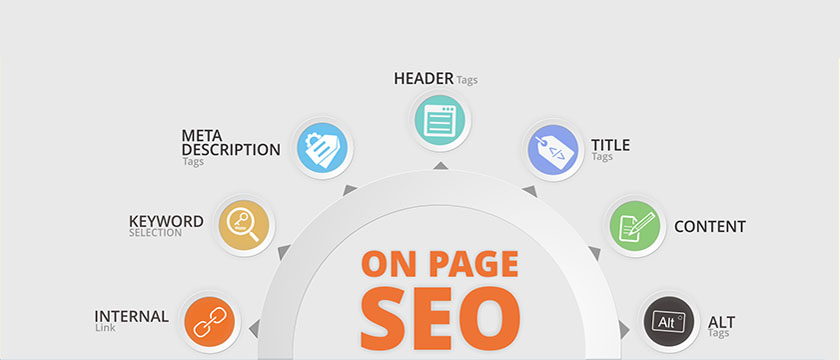
On-page SEO is where strategy meets execution. It involves optimizing individual pages so that search engines understand exactly what your content is about. For Indian bloggers, mastering on-page SEO can be the difference between page three and page one rankings.
Start with your title tag. It should include your primary keyword and create curiosity. For example, instead of writing “Best Laptops,” write “Best Laptops Under ₹50,000 in India (2026 Buyer’s Guide).” Specificity increases click-through rates.
Meta descriptions may not directly affect rankings, but they influence clicks. A compelling description that highlights value can significantly boost traffic. Think of it as your blog’s elevator pitch in search results.
URL structure should be clean and simple. Avoid long, cluttered URLs filled with numbers or unnecessary words. A clear format like “yourblog.com/seo-tips-indian-bloggers” works perfectly.
Image optimization is often ignored. Compress images for faster loading and include descriptive alt text with relevant keywords. Considering India’s mobile-first audience, page speed matters tremendously.
Another key factor is schema markup. Adding structured data helps Google display rich results like FAQs, ratings, and featured snippets. These enhancements increase visibility and credibility.
On-page SEO isn’t complicated. It’s about attention to detail. When every small element aligns with your keyword strategy and user intent, rankings improve naturally over time.
Optimizing Title Tags, Meta Descriptions, and URLs
If SEO were a cricket match, your title tag would be the opening batsman. It sets the tone. It determines whether people even click on your link. For Indian bloggers competing in crowded niches, a powerful title tag can dramatically improve click-through rates, even if you’re not ranking number one.
Your title must be clear, keyword-rich, and benefit-driven. Instead of writing something vague like “Blogging Guide,” try something specific such as “How to Start a Profitable Blog in India (Step-by-Step 2026 Guide).” See the difference? The second version speaks directly to intent and geography. Adding modifiers like “Best,” “Step-by-Step,” “Beginner’s Guide,” “Updated,” or the current year makes your content feel fresh and relevant.
Meta descriptions are your silent persuaders. While they don’t directly influence rankings, they strongly impact clicks. Think of them as your mini advertisement on Google. A compelling meta description should summarize the value of your article in 150–160 characters and encourage action. For example: “Discover proven SEO tips tailored for Indian bloggers. Learn keyword research, on-page optimization, and traffic growth strategies that work in 2026.” Clear. Focused. Enticing.
Now let’s talk URLs. Clean URLs improve both user experience and search engine understanding. Avoid messy structures like:yourblog.com/p=1234?id=seo2026update
Instead, use:yourblog.com/seo-tips-for-indian-bloggers
Short, readable URLs are easier to remember and share. They also look more trustworthy.
Another overlooked factor is keyword placement. Your primary keyword should ideally appear in the title, URL, and meta description naturally—not forcefully. This alignment sends a strong relevance signal to Google.
When these three elements work together, they create a powerful first impression. And in SEO, first impressions often decide who wins the click.
Internal Linking Strategies for Blog Growth
Imagine your blog as a city. Each article is a building. Internal links are the roads connecting them. Without roads, visitors get lost. With strong connections, they explore more. That’s exactly how internal linking works.
For Indian bloggers aiming to build authority, internal linking is essential. It helps search engines crawl your website efficiently and understand the relationship between different pieces of content. More importantly, it keeps readers engaged longer.
Here’s how to do it strategically. Whenever you publish a new article, link it to at least 2–3 related existing posts. Use descriptive anchor text instead of generic phrases like “click here.” For example, link using text like “advanced keyword research strategies for Indian bloggers” instead of something vague.
Internal linking also builds topical clusters. Suppose you write about digital marketing. You can create separate articles on SEO, social media marketing, email marketing, and content writing. Then interlink them. Over time, Google recognizes that your website has depth and authority in that niche.
Another advantage? Reduced bounce rate. If a reader lands on your article about “Best Credit Cards in India” and you internally link to “How to Improve CIBIL Score,” they are more likely to continue browsing. That signals positive engagement to search engines.
Make it a habit to audit older posts every few months and add links to newer relevant content. This refresh keeps your blog interconnected and strong.
Internal linking doesn’t cost money. It doesn’t require advanced tools. Yet it delivers long-term SEO power when done thoughtfully.
Technical SEO Made Simple
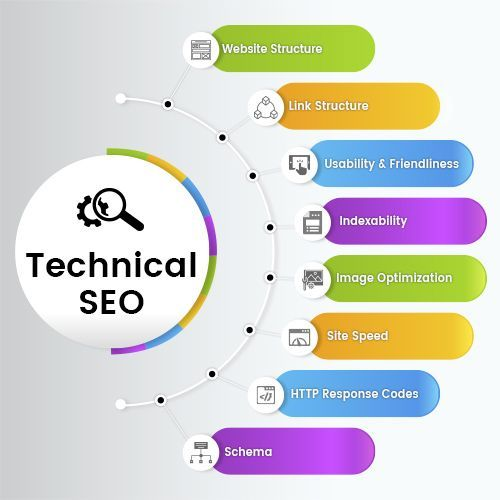
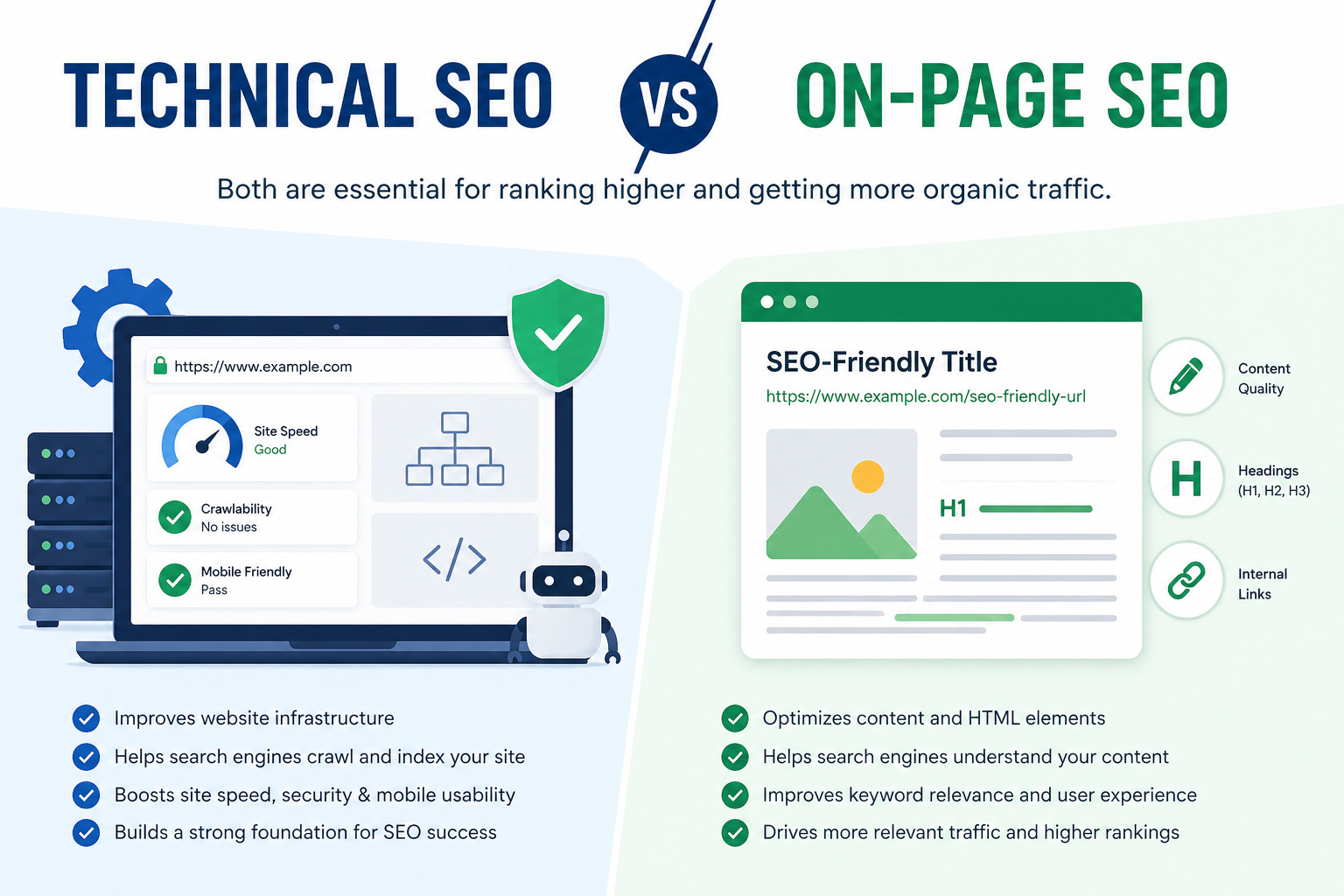
Technical SEO sounds intimidating, but it’s really about making your website easy for search engines to access and understand. Think of it as maintaining your car’s engine. You might have a beautiful exterior, but if the engine fails, the car won’t move.
For Indian bloggers, technical SEO is especially critical because of mobile usage and varying internet speeds across regions. A technically optimized website ensures that users from both metro cities and smaller towns can access your content smoothly.
Start with site speed. Google considers page speed a ranking factor. According to industry studies, if a page takes longer than three seconds to load, a significant percentage of users abandon it. Use tools like Google PageSpeed Insights to identify performance issues. Compress images, enable browser caching, and use lightweight themes.
Next, ensure your website uses HTTPS. Security is a trust factor. Browsers now label non-HTTPS sites as “Not Secure,” which discourages visitors.
An XML sitemap helps search engines crawl your content efficiently. Most SEO plugins generate one automatically. Similarly, fixing broken links prevents crawl errors and improves user experience.
Mobile-friendliness is non-negotiable. Since India is largely mobile-first, your website must adapt seamlessly to different screen sizes. Responsive design isn’t optional—it’s mandatory.
Technical SEO might operate behind the scenes, but its impact on rankings is powerful. When your foundation is strong, everything built on top performs better.
Improving Website Speed for Indian Users
Speed is no longer a luxury—it’s survival. India has diverse internet connectivity levels. While metro cities may enjoy high-speed 5G, many regions still rely on moderate connections. If your site is heavy and sluggish, you lose readers instantly.
Start by choosing reliable hosting. Cheap hosting might save money initially, but slow server response times can hurt your rankings. Consider hosting providers with data centers closer to India for better latency.
Image optimization plays a massive role. Bloggers often upload high-resolution images without compression. Tools like TinyPNG or built-in WordPress optimization plugins can reduce file size significantly without sacrificing quality.
Use caching plugins to store static versions of your pages. This reduces server load and speeds up delivery. A Content Delivery Network (CDN) can also distribute your content across multiple servers globally, ensuring faster load times.
Minimize unnecessary plugins. Too many plugins slow down performance and create conflicts. Regularly audit and remove those you don’t use.
Speed directly impacts user satisfaction. A faster website leads to longer sessions, lower bounce rates, and improved rankings. In a competitive Indian blogging environment, every second matters.
Mobile-First Optimization in a Smartphone Nation
India is undeniably a smartphone nation. The majority of users access blogs via mobile devices. Google follows mobile-first indexing, meaning it primarily uses the mobile version of your website for ranking and indexing.
What does that mean for you? Your mobile experience must be flawless.
Text should be readable without zooming. Buttons should be easy to tap. Navigation should be simple. Pop-ups must not block the entire screen. A cluttered mobile layout frustrates users quickly.
Test your site across multiple devices and screen sizes. What looks perfect on a desktop might appear cramped on a smartphone.
AMP (Accelerated Mobile Pages) used to be a popular solution, but even without AMP, a clean, responsive theme can deliver excellent performance.
Focus on intuitive design. Reduce distractions. Make content the hero. When users can quickly find what they’re looking for, they stay longer and trust your blog more.
Mobile optimization isn’t a technical checkbox. It’s about respecting how your audience consumes content. And in India, that consumption is overwhelmingly mobile.
Building Authority with Off-Page SEO
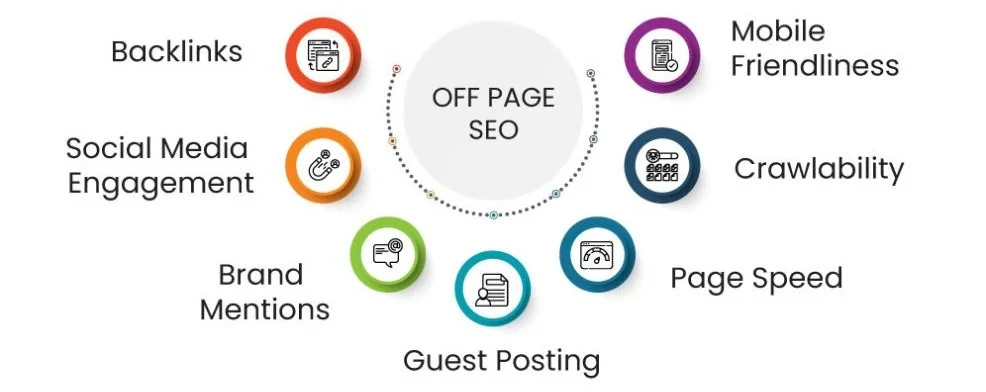
Off-page SEO is about reputation. It answers a simple question: Does the internet trust your blog?
Google measures authority largely through backlinks—links from other websites pointing to yours. But not all backlinks are equal. A single link from a respected Indian news website can be more valuable than dozens from low-quality directories.
Focus on building genuine relationships. Guest posting on reputable Indian blogs in your niche is a powerful strategy. Offer valuable, unique insights instead of generic content.
You can also create link-worthy assets such as:
- In-depth research articles
- Data-driven case studies
- Free tools or calculators
- Comprehensive guides
When your content is genuinely useful, other bloggers naturally reference it.
Avoid black-hat tactics like buying backlinks. Google’s algorithms are sophisticated and can penalize manipulative practices.
Authority isn’t built overnight. It’s earned through consistency, quality, and trustworthiness. Over time, strong off-page SEO elevates your blog above competitors who rely solely on on-page tactics.
Smart Link-Building Strategies in India
Link building in India requires both strategy and cultural understanding. You’re not just sending cold emails into the void—you’re building relationships in a relationship-driven market. If SEO is a long-term investment, link building is the compound interest that accelerates growth.
Start with guest posting, but do it intelligently. Instead of targeting only high-authority national websites, consider niche-specific Indian blogs with engaged audiences. For example, if you run a personal finance blog, collaborating with fintech startups, CA bloggers, or investment communities can yield relevant backlinks. Relevance often outweighs raw domain authority.
Broken link building is another underrated strategy. Many Indian websites have outdated resources. If you find a broken link on someone’s blog and offer your relevant article as a replacement, you provide value while earning a backlink. It’s a win-win.
Local directories and business listings also matter, especially if you operate in a specific city. Listings on platforms like Justdial, Sulekha, or IndiaMART can support local SEO efforts. While they may not be powerful individually, they strengthen your overall backlink profile.
Another effective approach is data-driven content. For example, publishing original research like “Blogging Income Trends in India 2026” can attract organic links from journalists and bloggers. According to SEO experts like Brian Dean, “Data is link magnet content.” When you provide unique insights, people cite you naturally.
Consistency is crucial. Build links gradually. A sudden spike in backlinks can look unnatural. Focus on quality, context, and authenticity. In India’s competitive blogging ecosystem, smart link building separates hobby bloggers from authority websites.
Leveraging Social Media and Influencer Outreach
While social media links don’t directly pass SEO authority, they amplify visibility—and visibility often leads to backlinks. Think of social media as your distribution engine.
Indian audiences are highly active on platforms like Instagram, YouTube, LinkedIn, and X. If you share your blog posts strategically, you can drive targeted traffic that boosts engagement signals. Higher engagement indirectly supports SEO performance.
For example, if you publish a detailed guide on “Best Side Hustles in India,” create short Instagram reels or LinkedIn carousels summarizing key points. Then link back to the full article. Micro-content drives macro traffic.
Influencer outreach also works exceptionally well in India. Collaborate with niche creators who align with your audience. A simple mention or content collaboration can expose your blog to thousands of new readers. Over time, this increases branded searches—an important trust signal for Google.
Community engagement matters too. Participate in relevant Facebook groups, Quora threads, and Reddit discussions where Indian users seek advice. Instead of spamming links, offer genuine help. When appropriate, reference your blog as a resource.
Building authority isn’t confined to your website. It extends across the digital ecosystem. The more visible and trusted you become, the stronger your SEO foundation grows.
Monetization and SEO: Growing Traffic with Purpose
Traffic without strategy is like water flowing through a leaky pipe. It looks impressive but doesn’t create results. SEO should align with monetization goals from the beginning.
Many Indian bloggers rely on Google AdSense, affiliate marketing, sponsored posts, or selling digital products. Each monetization model requires a slightly different SEO approach.
If you focus on affiliate marketing, target commercial-intent keywords such as “best,” “review,” “vs,” and “buy.” These users are closer to making a purchase decision. For AdSense-driven blogs, informational content with high search volume can generate substantial ad impressions.
Understanding search intent is critical. Someone searching “what is mutual fund” is in learning mode. Someone searching “best mutual fund app in India” is ready to act. Your content strategy should balance both.
Conversion optimization also plays a role. Clear calls-to-action, comparison tables, and honest reviews improve trust. Indian audiences are value-conscious. Transparency builds credibility.
SEO isn’t just about rankings. It’s about attracting the right audience—people who find value in your content and are willing to engage, subscribe, or purchase.
When SEO and monetization work together, blogging transforms from a hobby into a scalable digital asset.
Optimizing for Affiliate and Ad Revenue
If your blog earns through affiliate marketing or ads, optimization must go beyond traffic numbers. You need high-intent visitors.
For affiliate blogs, product comparison posts perform exceptionally well in India. For example:
| Product | Price Range (₹) | Best For | Rating |
|---|---|---|---|
| Laptop A | 45,000–50,000 | Students | 4.5/5 |
| Laptop B | 55,000–60,000 | Professionals | 4.7/5 |
Tables simplify decisions and increase click-through rates on affiliate links.
Honest reviews matter. Indian consumers are skeptical of overly promotional content. Share both pros and cons. Include real-life use cases. Authenticity improves conversions.
For AdSense-focused blogs, increase session duration by adding internal links and related post suggestions. Higher time on site means more ad impressions.
Page speed also impacts revenue. Slower sites reduce user engagement and ad visibility. Optimize ad placement to avoid disrupting user experience, especially on mobile devices.
Think long-term. Focus on trust, clarity, and usefulness. Revenue grows naturally when readers believe in your recommendations.
Tracking SEO Performance with Analytics Tools
You can’t improve what you don’t measure. Tracking performance is where data meets strategy.
Google Analytics and Google Search Console are essential for every Indian blogger. Analytics shows user behavior—where visitors come from, how long they stay, and which pages perform best. Search Console reveals keyword rankings, impressions, and click-through rates.
Pay attention to:
- Top-performing keywords
- Pages with high impressions but low CTR
- Bounce rate and session duration
- Mobile usability issues
If a page has high impressions but low clicks, tweak the title and meta description. If bounce rate is high, improve content depth or structure.
SEO is dynamic. Algorithm updates happen frequently. Monitoring trends allows you to adapt quickly.
Treat your blog like a business. Review performance monthly. Update outdated articles. Refresh statistics. Add new internal links. Continuous optimization keeps you ahead in India’s evolving digital market.
Conclusion
SEO for Indian bloggers isn’t about shortcuts or overnight success. It’s about understanding your audience deeply, creating meaningful content, optimizing strategically, and building authority consistently. India’s digital ecosystem is expanding at an incredible pace, offering limitless opportunities for bloggers who approach SEO with patience and precision.
Focus on long-tail keywords. Prioritize mobile-first experiences. Strengthen technical foundations. Build genuine backlinks. Align traffic with monetization goals. Track performance and refine continuously.
Blogging in India today is like planting a tree in fertile soil. With the right SEO care, it doesn’t just grow—it thrives.