Digital marketing in 2026 has transformed more than ever. With artificial intelligence becoming mainstream, consumer behavior shifting to micro-moments, and the rise of voice, video, and hyper-personalized content, brands are rethinking how they communicate online.
Table of Contents
This Ultimate Guide to Digital Marketing in 2026 will help you understand the latest trends, strategies, tools, and best practices to stay ahead of your competitors and grow your business online.
The Unstoppable Rise of AI-Driven Marketing
Artificial intelligence is no longer a futuristic concept—it’s a fundamental part of the modern marketing toolkit. In 2026, AI’s role has expanded from simple automation to sophisticated data analysis, content creation, and predictive modeling. Businesses that integrate AI effectively gain a significant competitive advantage by making smarter, faster, and more customer-centric decisions.
Key AI Applications in 2026
- Predictive Analytics: AI algorithms can analyze vast datasets of consumer behavior to predict future trends, customer churn, and lifetime value. This allows marketers to proactively address customer needs and optimize campaign spending. For instance, an e-commerce brand can use AI to identify customers likely to make a repeat purchase and target them with personalized offers.
- Hyper-Personalization: Gone are the days of segmenting audiences by simple demographics. AI enables hyper-personalization at an individual level. It can tailor website experiences, email content, and product recommendations in real-time based on a user’s browsing history, purchase patterns, and even on-site behavior.
- Generative AI for Content: AI-powered tools are now capable of generating high-quality marketing copy, social media updates, and even initial drafts for blog posts. While human oversight remains crucial for brand voice and strategic alignment, generative AI frees up marketers’ time to focus on higher-level strategy and creativity.
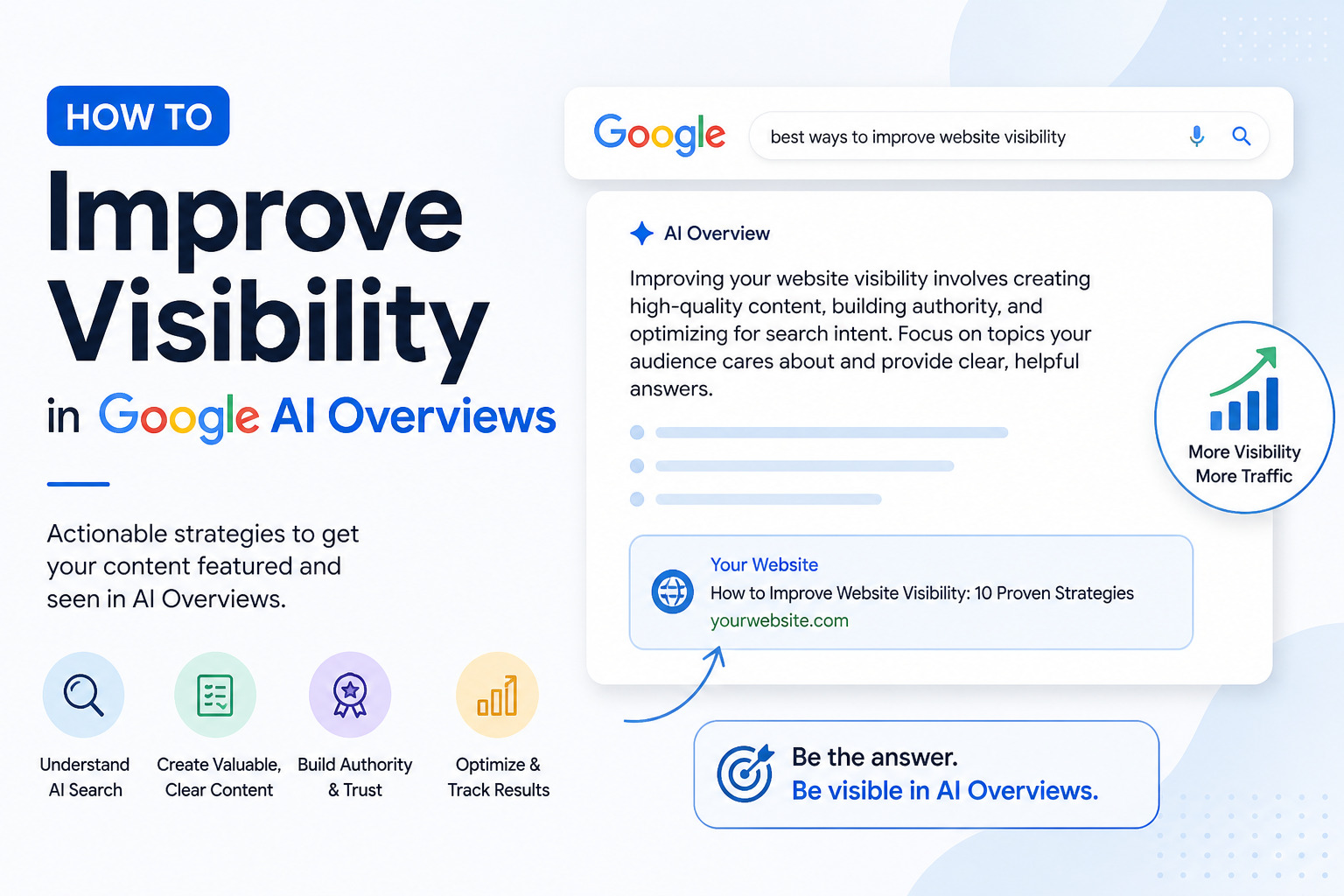
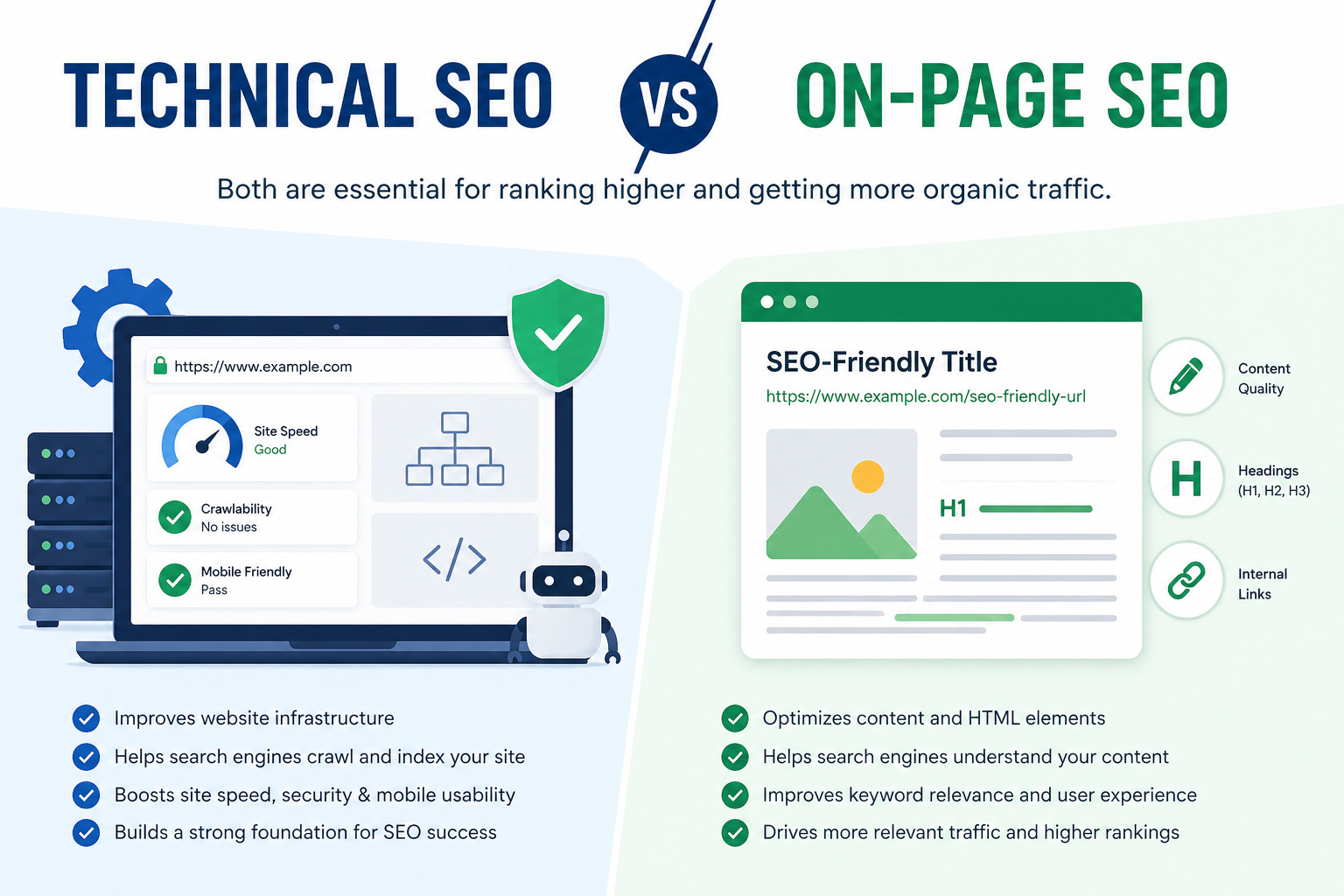
- AI-Powered SEO: Search engine optimization has become more complex, and AI is an indispensable ally. Tools now use AI to perform competitor analysis, identify keyword opportunities, and suggest on-page optimizations based on what’s currently ranking. AI also helps in understanding search intent at a much deeper level.
What Is Digital Marketing in 2026?
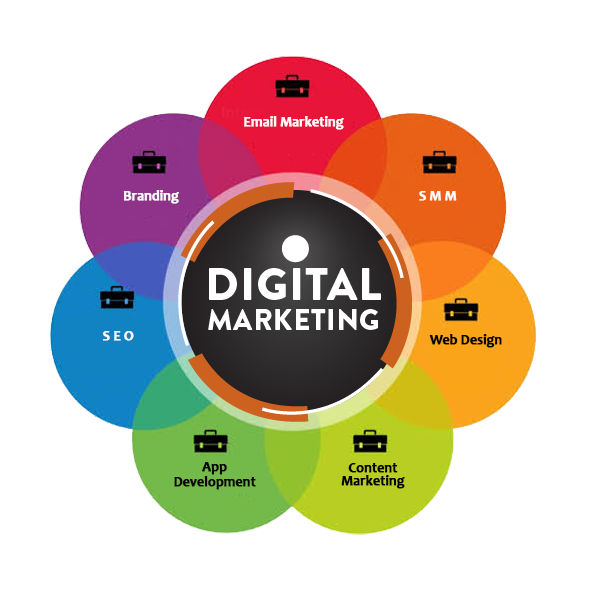
Digital marketing in 2026 refers to the use of AI-powered tools, data-driven strategies, multi-channel campaigns, and personalized experiences to promote products and services online. Unlike traditional marketing, digital marketing allows businesses to:
- Reach the right audience at the right time
- Track user behavior in real-time
- Personalize experiences across channels
- Automate marketing tasks for efficiency
- Scale campaigns with accurate analytics
In 2026, the focus is no longer just on presence—but precision, automation, and personalization.
Why Digital Marketing Is Important in 2026
The digital landscape is growing faster than ever:
- 93% of consumers research online before buying.
- AI-assisted buying decisions influence 40%+ of online purchases.
- Video consumption accounts for 80% of all internet traffic.
- Voice search queries increased by 25% in the last year.
Businesses that master digital marketing gain:
- Higher brand visibility
- Reduced marketing costs
- More qualified leads
- Global reach
- Improved customer retention
Core Components of Digital Marketing in 2026
Below are the essential pillars of a successful digital marketing strategy this year.
1. Search Engine Optimization (SEO)
SEO remains the backbone of digital success.
Key SEO Focus Areas in 2026
- AI-driven search (Google Gemini, Search Generative Experience)
- E-E-A-T optimization for trust building
- Long-form, helpful content
- Voice search optimization
- Mobile-first experience
SEO Best Practices
- Perform keyword research targeting intent-based queries
- Optimize site speed and Core Web Vitals
- Build high-quality backlinks
- Add schema markup
- Update old content regularly
2. Content Marketing
“Content is still king—AI is the kingdom.”
Trending Content Formats
- AI-generated personalized content
- Short-form videos (Reels, TikTok, YT Shorts)
- Long-form guides (like this one!)
- Podcasts & audio blogs
- Data-driven blogs
- Infographics
2026 Content Tips
- Focus on helpful, expert content
- Use visuals & videos in every article
- Write for human intent, not keywords
- Optimize for Google’s SGE (AI search)
3. Social Media Marketing
Social media platforms are more algorithm-driven than ever.
Popular Platforms in 2026
- YouTube
- TikTok
- X (Twitter)
- Threads
Social Media Strategies That Work
- Hyper-local targeting
- Influencer + micro-influencer collaboration
- UGC (User-Generated Content)
- AI-powered post scheduling
- Trend-based short videos
- Social commerce (shopping directly through posts)
4. Pay-Per-Click Advertising (PPC)
PPC is now smarter and more automated.
Best Platforms in 2026
- Google Ads
- Meta Ads
- LinkedIn Ads
- YouTube Ads
- Bing Ads
PPC Trends
- AI smart bidding
- Retargeting & lookalike audiences
- Keyword-less search ads
- Video-based ad campaigns
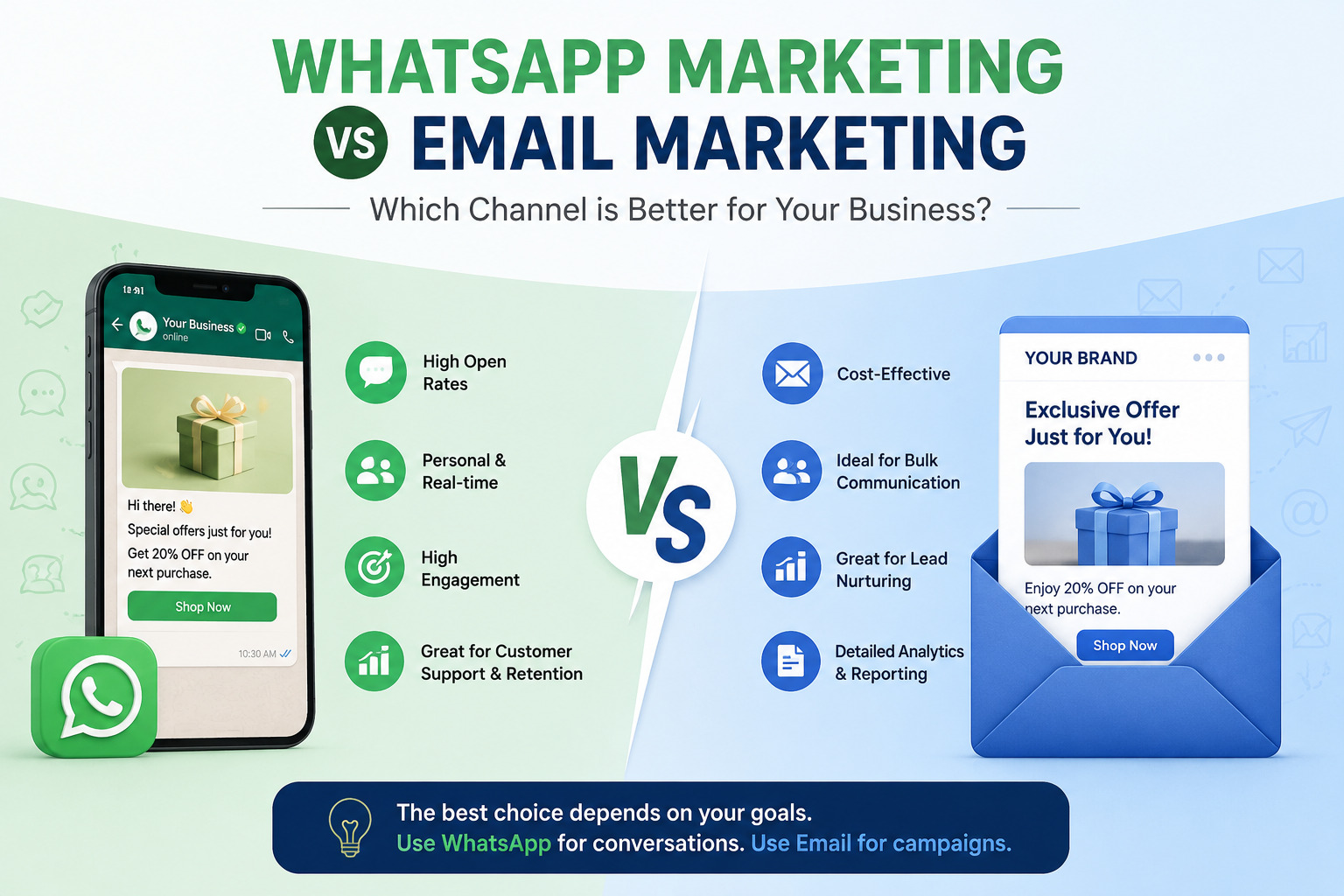
5. Email & Marketing Automation
Email remains the highest ROI marketing tool.
2026 Email Marketing Must-Haves
- Hyper-segmentation
- Behavioral emails
- Automated workflows
- AI-written subject lines
- Interactive email design
Top Email Tools
- Mailchimp
- Sendinblue
- HubSpot
- Klaviyo
Digital Marketing Trends to Watch in 2026
Here are the biggest trends dominating the marketing world this year.
1. AI-Powered Marketing
AI is not optional—it’s essential.
AI helps in:
- Content generation
- SEO optimization
- Personalization
- Predictive analytics
- Chatbots and conversation flows
- Real-time recommendations
2. Voice Search Optimization
More users are searching through:
- Google Assistant
- Alexa
- Siri
- In-car voice search
How to optimize for voice search
- Write conversational content
- Target question-based keywords
- Add FAQ sections
3. Video-First Marketing
Video is the most consumed content format.
Trending video types:
- Explainer videos
- Product demos
- Testimonials
- Live Q&A sessions
- Shorts/Reels
4. Hyperlocal Social Media Marketing
Brands are increasingly focusing on:
- Local targeting
- Community-level engagement
- City-specific campaigns
This works extremely well for:
- Small businesses
- Local services
- Retail stores
- Restaurants
5. Privacy-Driven Marketing
With new privacy laws, brands must:
- Use first-party data
- Avoid intrusive popups
- Be transparent with cookies
How to Create a Digital Marketing Strategy in 2026
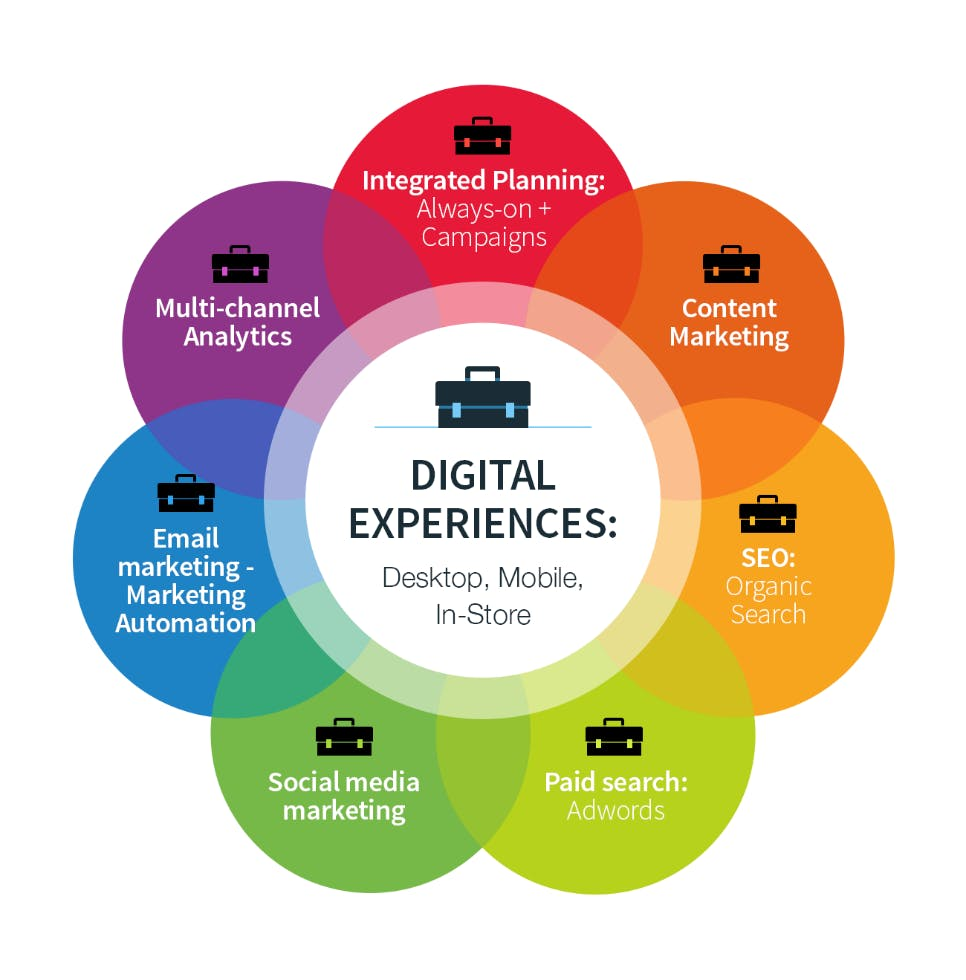
Follow these steps:
Step 1: Define your goals
- Lead generation
- Brand awareness
- Sales growth
- Website traffic
Step 2: Analyze your audience
Use tools like:
- Google Analytics
- Meta Insights
Step 3: Select marketing channels
Choose between:
- SEO
- Social Media
- Paid Ads
- Influencer marketing
Step 4: Create content
Build a mix of:
- Blogs
- Videos
- Reels
- Infographics
Step 5: Optimize for conversions
- Use landing pages
- A/B testing
- Strong CTAs
Step 6: Track performance
Track:
- CTR
- Leads
- CPC
- Engagement
Best Digital Marketing Tools in 2026
AI Tools
- ChatGPT
- Jasper AI
- SurferSEO
- Writesonic
Analytics Tools
- Google Analytics 4
- SEMrush
- Ahrefs
Design Tools
- Canva
- Figma
Social Media Tools
- Buffer
- Hootsuite
- Later
Future of Digital Marketing (2027 & Beyond)
The future belongs to:
- 100% personalized marketing
- Human + AI hybrid content creation
- Micro-influencer ecosystems
- Immersive AR/VR experiences
- More AI-led search engines
Businesses that adopt modern digital strategies early will dominate their markets.
Conclusion: Build a Future-Proof Marketing Strategy
The digital marketing landscape of 2026 is dynamic, intelligent, and deeply personal. The overarching theme is a shift toward more human-centric marketing, enabled by powerful technology. By embracing AI, committing to deep personalization, leveraging the power of video, and integrating social commerce, you can build a resilient strategy that not only withstands change but thrives on it.
Your next step is to audit your current marketing efforts. Identify one area—whether it’s implementing a small-scale AI tool or launching your first short-form video campaign—and start there. Continuous learning and adaptation are the cornerstones of success in this exciting field.
FAQ’s
Digital marketing in 2026 focuses on AI-driven strategies, personalized customer journeys, automation, and multichannel engagement across search, social media, email, and paid advertising.
Because consumers spend most of their time online, businesses need digital marketing to reach the right audience, improve brand visibility, generate leads, and stay competitive.
Top trends include AI-powered content creation, voice search optimization, short-form videos, hyperlocal marketing, personalization, and data-driven automation.
Yes. SEO is more important than ever due to Google’s AI-based search experiences. Websites that focus on user intent, E-E-A-T, and high-quality content perform best.
The top channels include SEO, social media, content marketing, PPC ads, email marketing, influencer marketing, and video marketing.