Building a great product is just the beginning. The graveyard of failed startups is littered with brilliant ideas that never found their audience. According to CB Insights, 14% of startups fail because they ignore customer needs, and many more fail because they simply cannot get found online.
The good news: digital marketing has dramatically leveled the playing field. A scrappy startup with the right strategy can outrank, outrank, and outperform well-funded competitors. But it requires ruthless focus, data discipline, and channel selection that aligns with where your customers actually spend time.
Search Engine Optimization (SEO) — Your Long-Term Growth Engine
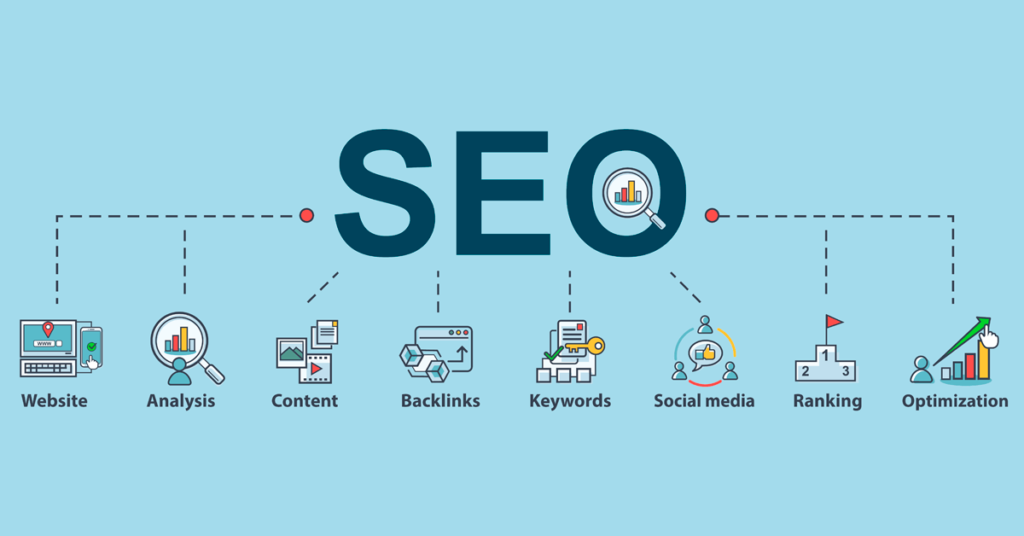
SEO is the single highest-ROI digital marketing channel for most startups over a 12–24 month horizon. It generates compounding, free traffic that continues paying dividends long after you stop actively working on it. Unlike paid ads, which go dark the moment you stop spending, a well-optimized page can drive leads for years.
Why SEO Is Non-Negotiable for Startups
53% of all trackable website traffic comes from organic search (BrightEdge). For B2B startups, that figure is even higher — buyers research solutions extensively before contacting sales. If you are not visible in search, you are invisible to your most motivated prospects.
Startup SEO Fundamentals
- Keyword Research: Focus on long-tail, low-competition keywords first. Tools like Ahrefs, Semrush, and free alternatives like Google Search Console reveal exactly what your audience searches for.
- On-Page Optimization: Every page needs a target keyword in the title tag, H1, first 100 words, URL slug, and at least one image alt tag.
- Technical SEO: Ensure fast load times (Core Web Vitals), mobile-friendly design, clean site architecture, and an XML sitemap submitted to Google Search Console.
- Content Clusters: Build pillar pages on broad topics (e.g., ‘CRM Software’) and link them to cluster pages on related subtopics. This signals topical authority to Google.
- Backlink Building: Earn links through guest posts, digital PR, resource pages, and HARO (Help a Reporter Out). Even 10–20 quality backlinks can dramatically move rankings for new domains.
| ✅ Pro Tip Target ‘People Also Ask’ questions in Google. Answer them concisely in your content to capture featured snippets, which can deliver 20–30% more clicks than the #1 organic result. |
| SEO Task | Expected Timeline |
| Keyword research & mapping | Week 1–2 |
| Technical audit & fixes | Week 2–4 |
| Content creation (pillar pages) | Month 1–3 |
| Link building outreach | Month 2 onwards |
| First significant ranking improvements | Month 4–6 |
| Consistent organic traffic growth | Month 6–12 |
Content Marketing — Build Authority and Trust at Scale
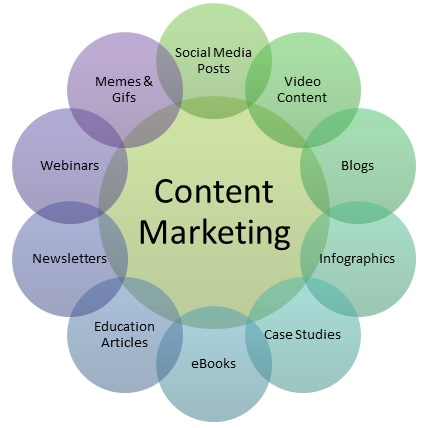
Content marketing is the fuel that powers SEO, social media, email, and almost every other digital channel. The Content Marketing Institute reports that companies with documented content strategies generate 6x more leads than those without one.
For startups, content marketing serves a dual purpose: it educates potential customers, shortening the sales cycle, and it builds the domain authority that makes SEO work over time.
Content Types That Drive Startup Growth
- Blog Articles: In-depth, research-backed posts (1,500–3,500 words) that target specific search queries. Prioritize topics at the intersection of high search volume and low competition.
- Comparison Pages: Articles comparing you to competitors (e.g., ‘Startup A vs Startup B’) capture high-intent buyers who are already in decision mode.
- Case Studies: Show real results with real numbers. B2B buyers particularly rely on case studies — 79% say they use them in their purchase decisions.
- Video Content: Short-form video (YouTube Shorts, TikTok, Instagram Reels) and long-form YouTube tutorials are increasingly important for SaaS and consumer startups alike.
- Freemium Tools & Calculators: Interactive tools (ROI calculators, graders, generators) generate massive backlinks and convert at 3–5x the rate of static content.
- Newsletters: Owned audiences that cannot be taken away by algorithm changes. Build yours from day one.
The Content Calendar Framework
Consistency beats volume. Publishing two high-quality pieces per week outperforms publishing ten mediocre ones. Use this simple framework:
- Choose 5–10 core topics that directly relate to your product’s value proposition.
- Map each topic to a keyword cluster with a defined target audience persona.
- Create one pillar piece per month and 4–6 supporting cluster pieces.
- Repurpose each long-form piece into social snippets, an email, and a short video.
- Review performance monthly and double down on what is ranking and converting.
Paid Search (Google Ads & Microsoft Ads) — Buy Your Way to Immediate Visibility
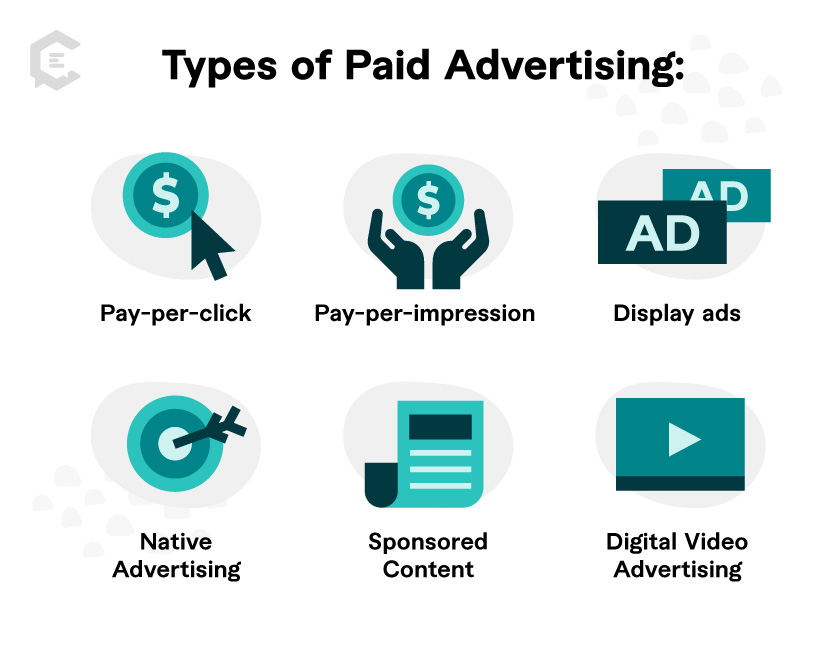
While SEO takes months to bear fruit, paid search delivers results on day one. Google Ads is particularly powerful for startups targeting commercial-intent keywords — users who are actively searching for solutions like yours.
The average Google Ads conversion rate across industries is 3.75% for search ads (WordStream). For B2B SaaS, well-optimized campaigns often achieve 5–8% or higher.
Getting Google Ads Right from the Start
- Start with exact-match and phrase-match keywords only. Broad match burns budget on irrelevant traffic.
- Use negative keywords aggressively. Add irrelevant terms like ‘free,’ ‘jobs,’ and competitor brand terms you cannot beat on price.
- Build dedicated landing pages for each ad group. Never send paid traffic to your homepage.
- Implement conversion tracking for every meaningful action: demo requests, sign-ups, purchases.
- Set a 30-day testing budget (minimum $1,500–$3,000) and optimize based on CPA (cost per acquisition), not CPC.
| Rule of thumb: If your customer lifetime value (LTV) is at least 3x your cost per acquisition (CPA), your paid search campaigns are sustainably profitable. |
Social Media Marketing — Build Community Where Your Customers Live
Social media is not optional for startups — but spreading yourself across every platform is a recipe for mediocrity. The key is ruthless channel selection. Go deep on one or two platforms before expanding.
Platform Selection Guide
| Platform | Best For |
| B2B SaaS, professional services, HR/finance/legal tech | |
| Twitter / X | Developer tools, crypto/fintech, media, thought leadership |
| Consumer products, fashion, food, lifestyle, DTC brands | |
| TikTok | Consumer Gen Z/Millennial, entertainment, education apps |
| YouTube | SaaS tutorials, B2B education, product demonstrations |
| Developer tools, niche communities, honest product feedback | |
| Local businesses, broad consumer demographics, events |
Startup Social Media Strategy
- Post consistently: 3–5 times per week on your primary platform, once daily on secondary.
- Lead with value: 80% educational/entertaining content, 20% promotional.
- Engage authentically: reply to every comment in the first hour — this signals the algorithm to amplify your posts.
- Founder-led content: Founders who post publicly generate 3–5x more engagement than brand accounts for early-stage companies. Put a face to the brand.
- Use social listening tools (Mention, Brand24) to track when people discuss your brand, category, or competitors.
Email Marketing — Your Highest-ROI Owned Channel
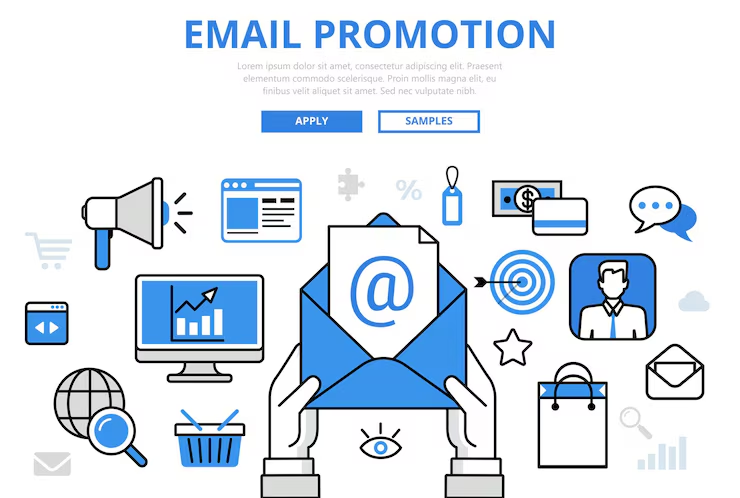
Email marketing delivers an average ROI of $42 for every $1 spent, making it the single highest-ROI channel in digital marketing (Litmus, 2024). Unlike social media followers, your email list is an owned asset that cannot be taken away by a platform algorithm change.
Building Your Email List from Zero
- Lead magnets: Offer something genuinely valuable in exchange for an email — a checklist, template, mini-course, or free tool.
- Exit-intent popups: Capture visitors about to leave your site. Tools like OptinMonster or Sumo make this easy.
- Content upgrades: Offer a downloadable version of your best blog posts (PDF, spreadsheet, checklist).
- Referral incentives: Give existing subscribers a reason to share your newsletter.
- Live events and webinars: Collect emails at registration and follow up with value-packed post-event content.
Email Sequences That Convert
Every startup needs these foundational email sequences:
- Welcome Series (3–5 emails): Introduce your brand story, educate on the problem you solve, share social proof, and make a soft offer.
- Onboarding Sequence (for SaaS): Guide new users to their ‘aha moment’ within 7 days. Reduce churn by showing value immediately.
- Re-engagement Campaign: Win back cold subscribers with a compelling reason to stay — exclusive content, a discount, or a product update.
- Abandoned Cart / Trial: Recover 10–15% of abandoners with a 3-email sequence.
- Monthly Newsletter: Share company updates, curated content, and a single CTA.
| ✅ Pro Tip Segment your list by behavior, not just demographics. Users who clicked your pricing page but never signed up deserve a different email than brand-new subscribers. Behavioral segmentation increases open rates by up to 50%. |
Influencer Marketing & Strategic Partnerships — Borrow Established Audiences
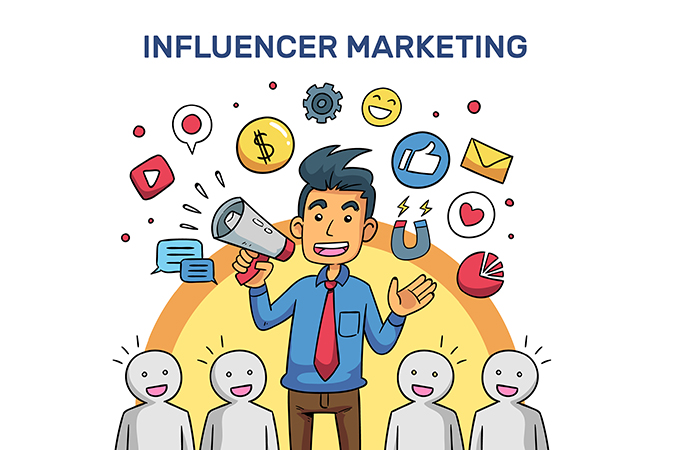
For startups without name recognition, partnering with trusted voices in your industry can compress years of brand-building into months. The key is finding micro-influencers (10K–100K followers) with highly engaged, niche audiences rather than chasing celebrity endorsements.
Micro-Influencer vs. Macro-Influencer
| Metric | Micro-Influencer (10K–100K) | Macro-Influencer (1M+) |
| Avg. Engagement Rate | 3–6% | 1–2% |
| Cost Per Post | $100–$1,000 | $10,000+ |
| Audience Trust | Very High | Moderate |
| Best For | Niche B2C, early traction | Mass awareness campaigns |
Partnership Marketing for Startups
- Integration partnerships: Partner with complementary SaaS tools. Co-market to each other’s audiences via webinars, co-written content, and product integrations.
- Affiliate programs: Give partners a financial incentive (10–30% commission) to refer customers. Tools like PartnerStack and Impact make this manageable.
- Community sponsorships: Sponsor newsletters, podcasts, and online communities where your ideal customers congregate.
- Co-marketing campaigns: Co-author a research report or host a joint webinar with a non-competing company that shares your audience.
Conversion Rate Optimization (CRO) — Squeeze More Value from Existing Traffic
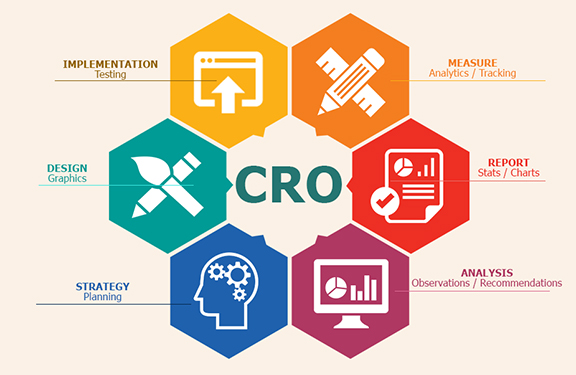
Most startups obsess over getting more traffic. But doubling your conversion rate has the same financial effect as doubling your traffic — at a fraction of the cost. CRO is about systematically improving the percentage of visitors who take a desired action.
CRO Essentials for Startups
- Heatmaps and session recordings: Use Hotjar or Microsoft Clarity to see exactly where users click, scroll, and drop off.
- A/B testing: Run split tests on headlines, CTAs, hero images, and pricing page layouts. Even a 0.5% conversion lift compounds significantly over time.
- Landing page optimization: Remove distractions, align copy with ad messaging (message match), and make your primary CTA impossible to miss.
- Social proof: Add testimonials, case study results, review platform widgets (G2, Trustpilot), and customer logos near every CTA.
- Form optimization: Reduce form fields to the minimum necessary. Each additional field reduces conversion rates by 4–5%.
- Live chat and chatbots: Adding live chat to key pages (pricing, checkout) can increase conversions by 20–45%.
| The most underrated CRO tactic: Talk to 10 customers who converted and 10 who did not. The insights from those 20 conversations will generate more improvement ideas than any analytics tool. |
Video Marketing — The Content Format of the Decade
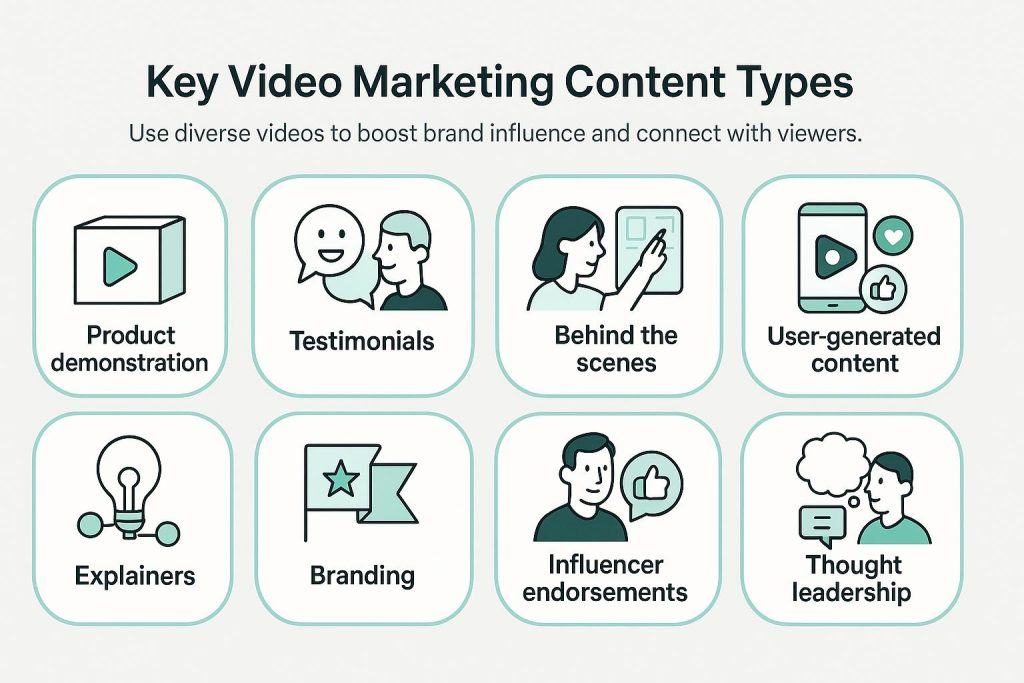
Video is the fastest-growing content format online. YouTube is the world’s second-largest search engine. TikTok became the most downloaded app globally in 2023. Short-form video on LinkedIn now drives 3x the engagement of text posts.
For startups, video marketing offers an unparalleled opportunity to build trust, demonstrate product value, and reach massive audiences organically.
Video Content Strategy for Startups
- Product demos: A 2–3 minute product walkthrough showing a real problem being solved is the most powerful sales tool you can create.
- Founder story videos: Authentic, behind-the-scenes content about why you built the company humanizes your brand and builds emotional connection.
- Tutorial and how-to content: YouTube tutorials targeting problem-specific keywords (e.g., ‘how to automate invoicing’) attract your exact ideal customer at the moment they need you.
- Customer testimonial videos: Video testimonials convert at 2x the rate of text testimonials. Even a smartphone-recorded clip is more powerful than a polished written quote.
- Short-form social video: Repurpose longer content into 30–90 second clips for TikTok, Reels, and YouTube Shorts. These platforms reward frequency and consistency with outsized algorithmic reach.
Community-Led Growth — Turn Customers Into Your Marketing Team
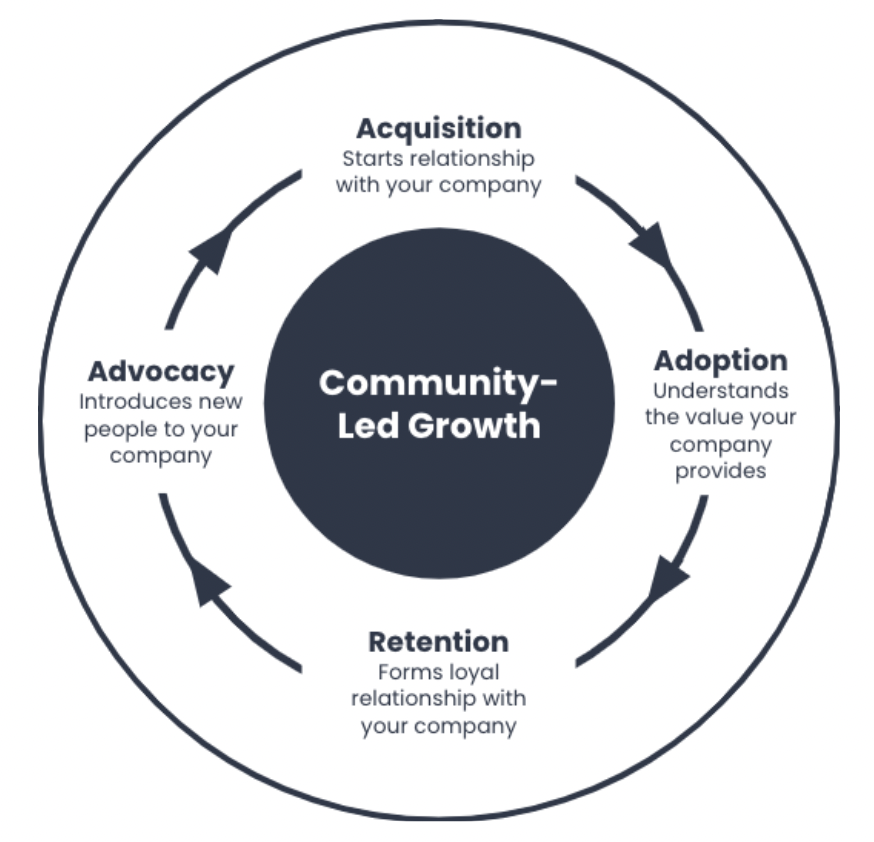
Community-led growth (CLG) is one of the most powerful and underutilized strategies for startups. When you build a genuine community around your product, your customers do your marketing for you through word-of-mouth, peer recommendations, and user-generated content.
Companies like Notion, Figma, and Webflow grew primarily through passionate communities of early users who championed the product organically.
How to Build a Startup Community
- Choose the right platform: Slack for B2B/developer communities, Discord for consumer/gaming, Circle for paid communities, LinkedIn Groups for professional niches.
- Seed the community with your 10–20 best early customers. Their engagement will set the tone and attract others.
- Create structured value: Weekly AMAs, expert guest sessions, resource libraries, and job boards give members ongoing reasons to participate.
- Empower power users: Give active community members early access, co-creation opportunities, and recognition (badges, leaderboards, ambassador programs).
- Measure community health: Track DAU/MAU ratio (aim for >20%), member-generated content volume, and correlation between community activity and retention/expansion revenue.
Data-Driven Marketing — The Foundation That Makes Everything Else Work
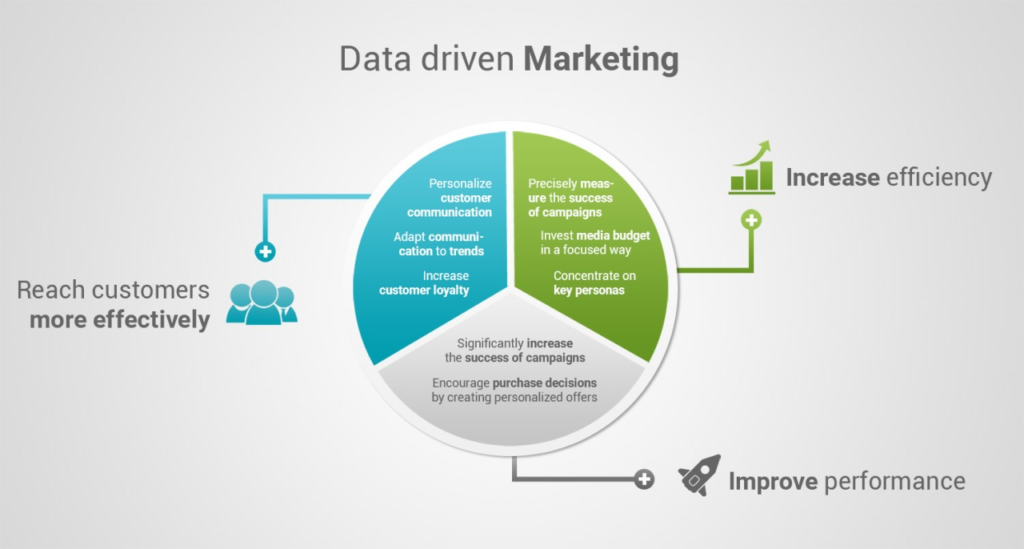
Every strategy in this guide produces results only if you can accurately measure them. Data-driven marketing is not a standalone channel — it is the operating system that optimizes every other channel.
Startups that make decisions based on data grow 30% faster than those that rely on intuition alone (McKinsey).
The Startup Analytics Stack
| Tool Category | Recommended Tools |
| Web Analytics | Google Analytics 4, Plausible (privacy-first) |
| Product Analytics | Mixpanel, Amplitude, PostHog (open-source) |
| SEO Analytics | Google Search Console, Ahrefs, Semrush |
| Paid Media | Google Ads Dashboard, Meta Ads Manager |
| Email Analytics | Mailchimp, ConvertKit, ActiveCampaign built-in |
| Heatmaps & CRO | Hotjar, Microsoft Clarity (free) |
| Attribution | Triple Whale, Northbeam (for eCommerce) |
| Dashboards | Looker Studio (free), Databox, Supermetrics |
The 5 KPIs Every Startup Must Track
- Customer Acquisition Cost (CAC): Total marketing + sales spend divided by new customers acquired in a period.
- Customer Lifetime Value (LTV): Average revenue per customer multiplied by average customer lifespan. Aim for LTV:CAC ratio of 3:1 or higher.
- Month-over-Month Traffic Growth: Consistent 10–15% MoM organic traffic growth is a strong indicator of a healthy SEO and content program.
- Conversion Rate by Channel: Know which channels convert best and allocate budget accordingly. This single insight often reveals that 1–2 channels generate 80% of revenue.
- Churn Rate: Marketing that attracts the wrong customers is worse than no marketing at all. Track monthly churn and use exit surveys to understand why customers leave.
How to Prioritize: The Startup Marketing Stack by Stage
Not every strategy is right for every stage. Here is how to think about channel prioritization as you grow:
| Startup Stage | Recommended Priority Channels |
| Pre-Launch (0–1 months) | Community building, waitlist email capture, founder social, PR |
| Early Stage (1–6 months) | Content/SEO foundation, 1–2 paid channels, email nurture |
| Growth Stage (6–18 months) | Scale winning channels, add video, CRO, partnerships |
| Scale Stage (18+ months) | Full-funnel coverage, community, data infrastructure, CLG |
Common Digital Marketing Mistakes Startups Make

- Trying to be everywhere at once: Focus beats breadth at every stage. Master one channel before adding another.
- Ignoring the bottom of the funnel: Brand awareness is useless if your pricing page, demo booking flow, or trial onboarding is broken.
- Copying competitors’ strategies: What works for a Series B company with $5M in marketing budget will not work for an early-stage startup. Compete on agility, not resources.
- Underinvesting in content: A single piece of high-quality content can generate leads for 5+ years. Most startups underestimate this compounding effect.
- Not collecting emails from day one: An email list of 1,000 engaged subscribers is worth more than 10,000 social media followers. Start building from day zero.
- Measuring vanity metrics: Impressions, likes, and page views feel good but rarely correlate with revenue. Measure MQLs, SQLs, and closed-won deals.
- Stopping before seeing results: Most digital marketing channels require 3–6 months of consistent effort before producing meaningful results. Patience is a competitive advantage.
Conclusion: Build Your Startup Marketing Engine
Digital marketing success for startups is not about having the biggest budget — it is about making smarter decisions faster than your competitors. The strategies in this guide are proven, scalable, and accessible to companies at any stage of growth.
Start by choosing two or three strategies that align with your audience, budget, and timeline. Execute them with obsessive focus and data discipline. Iterate based on what the numbers tell you, not what feels good.
The startups that win are not the ones with the flashiest campaigns. They are the ones that consistently show up, deliver genuine value to their audience, and optimize relentlessly over time.