
Keyword research has always been the backbone of search engine optimization (SEO), and today many marketers are improving their strategies through keyword research with AI tools. Even though artificial intelligence is changing how search engines understand content, keywords still function like the bridge between what people search for and the content creators publish. Think of keywords as the language your audience speaks when they turn to Google, Bing, or other search engines for answers. If your content doesn’t match that language, it’s like opening a shop in the middle of the desert—no matter how good your products are, nobody finds you.
Search engines today are smarter than ever. Google’s algorithms use machine learning models such as RankBrain and BERT to understand context and user intent. But here’s the interesting part: these systems still rely heavily on signals derived from keywords and related phrases. According to multiple SEO industry studies, over 68% of online experiences still begin with a search engine, which means the keywords people type remain extremely valuable data points for content creators.
AI tools are making keyword research faster, deeper, and more strategic. In the past, marketers relied on basic tools that simply showed search volume and competition. Now, AI-powered tools can analyze patterns, predict trends, and generate entire keyword ecosystems from just a few seed ideas. It’s like having a research assistant that works at lightning speed and scans millions of search queries in seconds.
Another reason keyword research still matters is content discoverability. No matter how insightful your blog post, video, or product page is, it won’t perform well if it doesn’t align with what people are searching for. AI can help uncover hidden opportunities such as long-tail keywords, question-based searches, and emerging trends before they become competitive.
The real advantage of AI-assisted keyword research lies in efficiency and creativity combined. Instead of manually brainstorming dozens of keyword variations, AI can instantly generate hundreds of ideas, cluster them by topic, and even suggest content angles.
In other words, keyword research hasn’t disappeared in the AI era—it has simply evolved into something smarter, faster, and far more strategic. 🚀
The Role of Search Intent in Modern SEO
Search intent is the secret ingredient behind successful SEO. Two people might type similar keywords into Google, yet their underlying goals could be completely different. One person searching “best laptops for students” likely wants recommendations, while another typing “buy MacBook Air online” is probably ready to purchase. Understanding that difference is what separates high-ranking content from content that never reaches page one.
Search engines have become incredibly sophisticated at detecting user intent, which generally falls into four major categories:
| Search Intent Type | Description | Example |
|---|---|---|
| Informational | User wants to learn something | “What is keyword research?” |
| Navigational | User wants a specific website | “Ahrefs login” |
| Commercial | User comparing options | “Best AI SEO tools” |
| Transactional | User ready to buy or act | “Buy SEO software online” |
AI tools help uncover intent patterns much more effectively than manual research. Instead of looking at isolated keywords, AI analyzes search behavior, question formats, and semantic relationships between phrases. This means it can predict what users actually want rather than just listing random keyword suggestions.
For example, if you ask an AI tool for keywords around “digital marketing,” it won’t simply give variations like “digital marketing tips” or “digital marketing strategies.” A good AI system will also identify related intent-driven searches such as:
- “How to start digital marketing with no experience”
- “Best digital marketing courses online”
- “Digital marketing salary for beginners”
Each of these reflects a different stage of the user journey. That insight allows content creators to build articles that match the reader’s exact needs, increasing the chances of ranking higher and keeping visitors engaged longer.
AI tools also help identify question-based queries, which are extremely valuable for featured snippets and voice search results. Phrases starting with “how,” “what,” “why,” or “best way to” often reveal deeper intent and typically have less competition.
When keyword research focuses on intent rather than raw search volume, the results tend to be more meaningful. A keyword with 1,000 monthly searches but strong buying intent can be far more valuable than a keyword with 20,000 casual searches.
The smartest SEO strategies today revolve around this principle: understand what the searcher wants, then create content that solves that need better than anyone else. AI simply makes that process dramatically faster and more precise. 🔎
How AI Is Transforming Traditional Keyword Research

Traditional keyword research used to be a slow and sometimes frustrating process. Marketers would start with a seed keyword, plug it into a tool, export a spreadsheet full of suggestions, and then manually filter through hundreds of rows looking for opportunities. While that method worked, it required a lot of time and still left many opportunities undiscovered.
Artificial intelligence has fundamentally changed this workflow. Instead of simply generating lists of keywords, AI tools now analyze search patterns, semantic relationships, and user behavior simultaneously. The result is a much deeper understanding of how topics connect and how people actually search for information online.
One of the biggest shifts is the move from keyword lists to topic clusters. AI tools can analyze thousands of queries and group them into logical clusters around a central theme. For example, if your main topic is “keyword research,” an AI tool might automatically organize related subtopics like:
- keyword research tools
- how to find low competition keywords
- keyword research for beginners
- long-tail keyword strategies
- SEO keyword analysis
This clustering approach aligns perfectly with modern SEO strategies, where Google favors comprehensive content hubs rather than isolated pages targeting single keywords.
Another major advantage of AI is its ability to identify long-tail keyword opportunities that traditional tools often overlook. Long-tail keywords usually have lower search volume but significantly lower competition, making them perfect targets for newer websites or niche blogs. AI systems analyze massive datasets and detect patterns that humans would likely miss.
AI also enables predictive keyword research. By analyzing historical trends and current search data, AI tools can suggest keywords that are gaining popularity before they become highly competitive. This gives content creators a valuable head start.
Perhaps the most exciting change is how AI helps with content ideation. Instead of staring at a blank page wondering what to write next, you can ask an AI tool to generate keyword clusters, outline content structures, and even identify gaps in competitor content.
Think of traditional keyword research as fishing with a single rod. AI-powered research is more like casting a wide smart net that captures patterns, trends, and opportunities all at once.
For marketers, bloggers, and SEO professionals, this transformation means one thing: better insights with far less manual work. 🤖
Understanding the Basics of AI-Powered Keyword Research

Before diving into specific tools and strategies, it helps to understand what AI-powered keyword research actually means. Many people assume it simply refers to using an AI chatbot to generate keyword ideas, but the concept is much broader than that. In reality, AI-driven research combines machine learning, natural language processing, and large-scale data analysis to uncover search opportunities.
Traditional keyword tools mainly relied on historical search data from search engines. They would show metrics such as monthly search volume, keyword difficulty, and cost-per-click. While useful, these metrics alone don’t provide the full picture of how users interact with search queries. AI systems add another layer by analyzing context, semantics, and behavioral patterns.
For example, when someone searches for “how to start a blog,” the search engine doesn’t treat that phrase as just four words. AI models analyze the intent behind the query, the type of content that satisfies it, and related questions users often ask. AI-powered keyword tools mimic this behavior by suggesting keywords that align with topic relevance and search intent, not just raw numbers.
Another important concept is semantic search. Modern search engines understand relationships between words and topics. That means a page optimized for “AI keyword research tools” might also rank for related phrases such as “best artificial intelligence SEO tools” or “AI tools for keyword analysis.” AI keyword research tools help identify these semantically related terms so content can cover a topic comprehensively.
AI research tools also help uncover content gaps. By analyzing competitor websites and ranking pages, AI can determine which keywords they target and where opportunities exist for new content. This insight allows creators to focus on keywords that competitors may have overlooked.
Perhaps the most powerful aspect of AI keyword research is speed. Tasks that once took hours—like grouping keywords, identifying trends, and analyzing competitors—can now be completed in minutes.
The result is a workflow that feels less like manual data sorting and more like strategic exploration. Instead of just collecting keywords, you’re building a smarter roadmap for content creation and SEO growth. 📈
What Makes AI Keyword Tools Different from Traditional Tools

The biggest difference between AI keyword research tools and traditional keyword tools lies in how they process and interpret data. Traditional tools were primarily built to extract numbers from search engines—things like search volume, keyword difficulty, and cost-per-click. While these metrics are useful, they only represent a small slice of the overall search landscape. AI tools, on the other hand, analyze patterns, relationships, and context across massive datasets to produce insights that go far beyond raw numbers.
Think of traditional keyword research like using a calculator. It can give you precise numbers, but it won’t tell you what those numbers mean or how to use them strategically. AI-powered tools behave more like a data analyst combined with a strategist. They not only generate keyword ideas but also interpret how those keywords fit into broader topics, user intent, and content opportunities.
Another major difference is automation and intelligence. Instead of manually filtering thousands of keyword suggestions, AI tools automatically identify the most relevant opportunities. They can detect emerging trends, cluster keywords by topic, and even recommend content structures. This means content creators spend less time analyzing spreadsheets and more time focusing on writing valuable content.
AI tools are also much better at understanding natural language queries. As voice search and conversational search continue to grow, people are typing longer and more complex queries into search engines. Traditional tools often struggle with these types of queries, but AI systems are designed to interpret them easily because they rely on natural language processing (NLP) models.
Another advantage is the ability to generate context-aware suggestions. Instead of simply suggesting variations of a single keyword, AI tools explore entire topic ecosystems. For instance, if you search for “content marketing,” an AI tool might recommend related clusters like “content marketing strategy,” “content marketing examples,” and “content marketing ROI.”
This shift from isolated keywords to interconnected topics reflects how modern search engines rank content. Google increasingly rewards websites that cover topics comprehensively rather than targeting one keyword per page.
In practical terms, AI keyword tools help marketers move from a reactive strategy to a proactive one. Rather than chasing keywords competitors already dominate, AI can uncover untapped niches and emerging search trends.
Natural Language Processing and Search Pattern Analysis
One of the most powerful technologies behind AI keyword research is Natural Language Processing (NLP). NLP allows machines to understand human language the way people actually use it—full of context, nuance, and variation. Instead of treating search queries as simple keyword strings, NLP analyzes how words interact and what they collectively mean.
Search engines rely heavily on NLP models like Google’s BERT and MUM algorithms to interpret queries. These models help Google understand subtle differences between similar phrases. For example, the query “can you get medicine for someone pharmacy” has a completely different meaning from “can someone get medicine for you pharmacy.” Traditional keyword tools might treat them as nearly identical, but NLP models detect the difference instantly.
AI keyword tools apply the same principle. They analyze search queries across millions of data points to identify patterns in how people ask questions. This allows them to generate keyword suggestions that are far more aligned with real user behavior.
Another benefit of NLP is identifying semantic keywords—terms that are closely related to your main keyword but not necessarily identical. For example, a page targeting “AI keyword research” might also benefit from including related phrases like:
- artificial intelligence SEO tools
- automated keyword analysis
- machine learning SEO strategies
- AI search optimization
Including these semantic variations helps search engines understand the topic more clearly, which improves the chances of ranking for multiple keywords simultaneously.
NLP also plays a key role in analyzing search intent signals. By examining the structure of queries—such as whether they contain words like “best,” “how,” or “buy”—AI tools can categorize them into informational, commercial, or transactional intent. This insight helps content creators tailor their content precisely to what users expect.
In simple terms, NLP allows AI tools to think less like databases and more like language interpreters, bridging the gap between human questions and search engine algorithms.
Predictive Keyword Suggestions
Another feature that sets AI keyword tools apart is their ability to provide predictive keyword suggestions. Traditional keyword research mainly relies on historical data—what people searched for in the past. AI systems analyze that historical data but also look at patterns and growth signals to predict what people are likely to search for in the future.
This predictive capability is incredibly valuable in SEO because competition often increases once a keyword becomes widely known. By identifying trends early, content creators can publish optimized content before the keyword becomes saturated with competitors.
For example, consider how interest in terms like “AI writing tools” or “ChatGPT prompts” exploded over the last few years. Websites that created content around these topics early captured significant search traffic before the competition intensified. AI tools can spot similar trend signals by analyzing rising search queries, social media discussions, and changes in search behavior.
Predictive keyword suggestions also help with seasonal content planning. For instance, search volume for phrases like “Black Friday deals” or “best Christmas gifts” spikes every year around specific months. AI tools can analyze historical patterns and recommend when to start publishing content to maximize visibility.
Another area where predictive insights shine is content expansion. AI tools can detect when a topic is evolving and recommend related keywords before they become mainstream. For example, a blog focused on digital marketing might receive early suggestions for emerging areas like “AI marketing automation” or “generative AI SEO strategies.”
This forward-looking approach turns keyword research into a strategic advantage. Instead of reacting to trends after they peak, creators can position their content at the front of the wave, capturing traffic while competition is still relatively low.
Types of Keywords AI Tools Can Discover

One of the biggest advantages of using AI for keyword research is its ability to uncover multiple types of keywords simultaneously. Traditional tools often focus primarily on high-volume keywords, but AI systems explore a much broader spectrum of search queries. This wider perspective helps marketers build more effective SEO strategies.
The first category is short-tail keywords, also known as head keywords. These are broad search terms that usually consist of one or two words, such as “SEO tools” or “content marketing.” They typically have very high search volume but also extremely high competition. Ranking for these keywords can be difficult, especially for newer websites.
The second category is long-tail keywords, which usually contain three or more words. Examples include “free AI tools for keyword research” or “how to find low competition keywords.” These keywords tend to have lower search volume individually, but collectively they represent a huge portion of total search traffic. According to various SEO studies, long-tail searches account for nearly 70% of all search queries.
AI tools excel at identifying long-tail opportunities because they analyze conversational queries and question-based searches. These types of queries are increasingly common due to voice search and mobile usage.
Another category is question-based keywords. These queries often begin with words like “how,” “what,” “why,” or “which.” For example:
- How to do keyword research with AI
- What are the best free SEO tools
- Why is keyword research important
These keywords are extremely valuable because they often trigger featured snippets in search results, which appear at the very top of Google’s page.
AI tools also identify LSI (Latent Semantic Indexing) keywords, which are semantically related phrases that strengthen topical relevance. Including these keywords naturally throughout content helps search engines understand the broader context of the topic.
Another powerful category is competitor keywords. AI systems can analyze ranking pages and identify the keywords your competitors are targeting. This allows you to find gaps where you can create better or more comprehensive content.
Finally, AI tools uncover trending and emerging keywords—search terms that are rapidly gaining popularity but haven’t yet become highly competitive. These keywords often represent the most exciting opportunities for content creators looking to grow traffic quickly.
By combining all these keyword types, AI-powered research builds a complete keyword ecosystem rather than a simple list of search terms. This holistic approach makes it easier to create content that ranks for multiple queries and attracts a broader audience.
Best Free AI Tools for Keyword Research

Finding the right tools can dramatically simplify keyword research, especially if you’re working with a limited budget. Fortunately, several free AI-powered tools can help uncover valuable keyword opportunities without requiring expensive subscriptions. While premium SEO platforms like Ahrefs or SEMrush offer advanced features, free tools—when used strategically—can still produce impressive results.
One of the most accessible options is AI chat assistants such as ChatGPT, which can generate keyword ideas, topic clusters, and content outlines based on simple prompts. By asking the AI to produce keyword variations, question-based searches, or long-tail phrases, users can quickly build large keyword lists in seconds.
Another powerful free resource is Google itself. Features like Google Autocomplete, People Also Ask, and Related Searches provide direct insight into what real users are searching for. These suggestions are essentially Google’s way of revealing popular queries based on real search behavior.
Google Trends is another valuable tool for identifying emerging topics. It shows how search interest changes over time and helps users discover trending keywords before they become highly competitive.
There are also several free SEO platforms that integrate AI-based suggestions, including:
- Ubersuggest (free limited searches)
- AnswerThePublic
- Keyword Surfer
- AlsoAsked
- Keyword Tool.io (limited free features)
Each of these tools provides a slightly different perspective on keyword research. Some focus on question-based queries, while others analyze search volume and competition levels.
The real magic happens when these tools are combined strategically. For example, you might start by generating ideas with an AI assistant, then validate search interest using Google Trends, and finally expand the keyword list with tools like AnswerThePublic.
This layered approach creates a research process that is both data-driven and creative, allowing marketers to uncover keyword opportunities that many competitors might overlook.
ChatGPT and Other AI Assistants for Idea Generation

When it comes to free AI-powered keyword research, tools like ChatGPT and other AI assistants have become surprisingly powerful allies. While they aren’t traditional SEO platforms with built-in search volume databases, they excel at brainstorming keyword ideas, identifying topic clusters, and generating long-tail keyword opportunities in seconds. Think of an AI assistant as a creative research partner that never runs out of ideas.
The real strength of AI assistants lies in their ability to understand context and conversation. Instead of typing a single keyword into a rigid tool, you can describe your topic and ask for multiple perspectives. For example, if you ask an AI assistant, “Give me 50 long-tail keywords related to AI keyword research,” it can generate an entire list of niche search queries such as “how to find low competition keywords using AI,” “free AI keyword research tools for bloggers,” or “best AI tools for SEO beginners.” These kinds of phrases are extremely valuable because they often represent real user questions rather than generic keyword variations.
AI assistants are also excellent at generating keyword clusters. Rather than producing isolated keywords, they can group related terms under broader topics. For instance, a prompt like “Create keyword clusters for AI SEO tools” could result in groups such as beginner tools, free tools, automation tools, and competitor analysis tools. This clustering approach mirrors how modern search engines evaluate content authority. Instead of ranking pages for single keywords, search engines increasingly favor websites that demonstrate comprehensive expertise across an entire topic.
Another advantage is the ability to generate content angles. AI assistants can suggest article titles, blog ideas, and question-based keywords that align with user intent. For example, a content creator targeting the keyword “AI keyword research” might receive ideas like “AI keyword research for beginners,” “mistakes to avoid when using AI for SEO,” or “AI keyword research vs traditional methods.” Each idea represents a potential article that targets multiple related keywords simultaneously.
To get the most value from AI assistants, using specific prompts is essential. Instead of asking vague questions, try prompts such as:
- “Generate 100 long-tail keywords related to digital marketing using AI tools.”
- “Create keyword clusters for a blog about AI SEO tools.”
- “List question-based keywords people ask about keyword research.”
These prompts encourage the AI to produce structured, SEO-friendly results.
While AI assistants don’t replace traditional keyword tools, they serve as an incredibly efficient idea generation engine. Combined with other tools for validation and search volume analysis, they become a powerful part of any modern SEO workflow.
Google-Based Free Tools Enhanced with AI Thinking

Even with the rise of AI tools, Google itself remains one of the most powerful keyword research platforms available for free. The key difference today is how marketers use Google’s features. Instead of simply typing keywords and guessing what works, AI-driven thinking encourages users to analyze patterns, relationships, and user intent behind search results.
One of the simplest yet most effective methods is using Google Autocomplete. When you start typing a query into the search bar, Google automatically suggests several related searches. These suggestions are not random—they are based on real search data from millions of users. For example, typing “AI keyword research” might trigger suggestions like “AI keyword research tools,” “AI keyword research free,” or “AI keyword research for SEO.” Each suggestion represents a keyword opportunity supported by actual search behavior.
Another goldmine is the People Also Ask (PAA) section. These expandable questions appear in many search results and reveal the exact questions users frequently ask about a topic. For instance, searching “keyword research tools” might reveal questions such as:
- What is the best free keyword research tool?
- How do beginners find keywords for SEO?
- Are AI tools good for keyword research?
Each question can easily become the foundation for a blog post, FAQ section, or content subheading.
Google’s Related Searches feature at the bottom of search results also provides valuable keyword insights. These related phrases often represent semantically connected keywords that can strengthen a page’s topical relevance.
Another powerful free tool is Google Trends. Unlike traditional keyword tools that focus on static search volume, Google Trends shows how interest in a topic changes over time. This allows content creators to identify rising trends before they peak. For example, if searches for “AI SEO tools” are steadily increasing, creating content around that topic early can help capture traffic as the trend grows.
Combining these Google features with AI-generated ideas creates a highly effective research workflow. AI can generate hundreds of keyword ideas, while Google’s data confirms which ones reflect real user interest.
This hybrid approach transforms keyword research from guesswork into a data-informed creative process, allowing marketers to discover opportunities that might otherwise remain hidden.
Step-by-Step Process to Do Keyword Research with AI
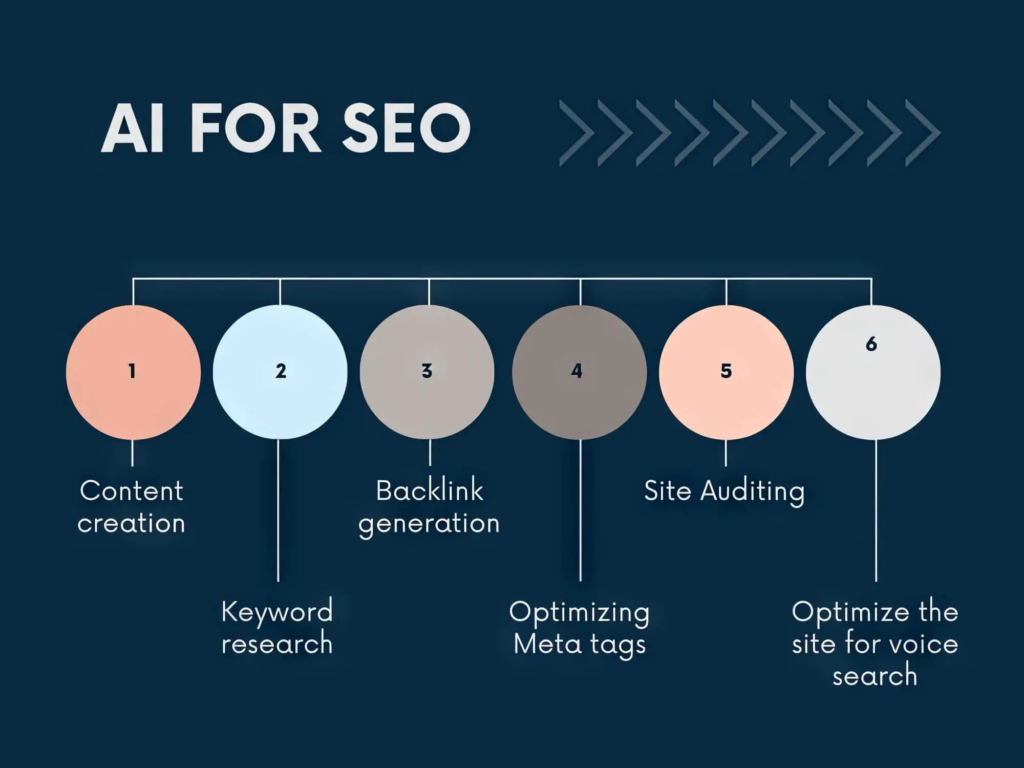
Learning the theory behind AI-powered keyword research is helpful, but the real magic happens when you apply it in a structured process. The good news is that you don’t need expensive SEO tools to perform effective keyword research. By combining free AI tools with smart analysis, you can uncover valuable search opportunities in just a few steps.
The first step is identifying a clear topic or niche. Every keyword strategy begins with a central theme. For example, if your website focuses on digital marketing, your starting topic might be “SEO tools,” “content marketing,” or “AI marketing.” This broad topic acts as the foundation from which all other keywords will branch out.
Once the main topic is selected, the next step is generating seed keywords. Seed keywords are simple phrases that describe your topic. In the case of AI SEO tools, seed keywords might include “AI SEO tools,” “AI keyword research,” or “SEO automation tools.” These phrases serve as the starting point for deeper research.
Next, you use an AI assistant to expand these seed keywords into long-tail variations and question-based queries. For instance, entering the seed keyword “AI keyword research” might generate dozens of related phrases such as “how to do keyword research with AI tools” or “free AI keyword research tools for bloggers.” These longer phrases are often easier to rank for because they face less competition.
After generating a large list of keyword ideas, the next step is validation. This involves checking whether people are actually searching for those keywords. Tools like Google Trends, Google Autocomplete, and keyword browser extensions can help confirm real search demand.
The final step is organizing keywords into topic clusters. Instead of creating a separate page for every keyword, group related keywords into clusters and build comprehensive content around them. For example, an article about AI keyword research could naturally include subtopics like free tools, advanced strategies, and competitor analysis.
Following this step-by-step workflow turns keyword research into a repeatable system. Rather than randomly chasing keywords, you build a structured SEO strategy that aligns with real user searches and emerging trends.
Step 1: Start with Seed Keywords
Every successful keyword research strategy begins with seed keywords. These are the basic terms that describe the main topic of your content or business. Think of seed keywords as the roots of a tree—once you plant them, dozens or even hundreds of keyword variations can grow from them.
For example, if you run a blog about digital marketing, some seed keywords might include “SEO tools,” “content marketing,” “email marketing,” or “keyword research.” These keywords are usually short and broad, but they provide the starting point for discovering more specific search queries.
The reason seed keywords are so important is that they help define the scope of your keyword research. Without them, the research process can become scattered and unfocused. By starting with clear seed keywords, you give AI tools a direction for generating relevant keyword ideas.
AI assistants are particularly effective at expanding seed keywords because they can analyze language patterns and generate dozens of related variations. For example, if you provide the seed keyword “keyword research tools,” an AI assistant might suggest phrases like “best free keyword research tools,” “keyword research tools for beginners,” or “AI keyword research software.” Each variation represents a potential content opportunity.
Another benefit of seed keywords is that they help identify audience interests. By analyzing how people modify these keywords—adding words like “best,” “free,” or “how to”—you can gain insights into what users are actually looking for.
Seed keywords also play a critical role in content planning. Once you identify several strong seed keywords within your niche, you can build entire topic clusters around them. This approach helps search engines recognize your site as an authority on that subject.
In simple terms, seed keywords act as the foundation of the entire keyword research process. With the help of AI tools, those simple starting points can quickly expand into hundreds of valuable keyword opportunities.
Using AI to Expand Seed Keyword Lists
Once you have a few seed keywords, the next step is turning them into a much larger list of potential keyword opportunities. This is where AI tools truly shine. Expanding keyword lists manually can take hours, but AI can generate hundreds of relevant variations almost instantly.
The process is straightforward. Start by entering your seed keyword into an AI assistant and asking for related keyword ideas. A simple prompt like “Generate 50 long-tail keywords related to AI keyword research” can produce a wide range of phrases, including niche queries that might otherwise be difficult to discover.
AI-generated lists often include several valuable keyword categories:
- Long-tail keywords
- Question-based searches
- Comparison keywords
- Problem-focused queries
- Beginner-focused searches
For example, starting with the seed keyword “AI SEO tools” might generate expanded keywords such as “best AI SEO tools for bloggers,” “AI SEO tools for keyword research,” or “free AI tools for SEO optimization.” These variations represent real search patterns used by people looking for solutions.
Another powerful technique is asking AI to create keyword clusters. Instead of producing a random list, the AI organizes keywords into logical topic groups. This structure makes it easier to plan blog posts, pillar pages, and supporting articles.
AI can also generate intent-based keywords by separating informational queries from commercial ones. For example, informational keywords might include “how to use AI for keyword research,” while commercial keywords might be “best AI keyword research software.”
Expanding seed keywords with AI transforms a simple idea into a complete keyword ecosystem. Instead of targeting a single search term, you can create content that ranks for dozens of related queries simultaneously.
Finding Long-Tail Keywords Automatically
Long-tail keywords are one of the most powerful yet underutilized elements of SEO. These longer, more specific search queries often have lower competition, making them ideal targets for new websites, niche blogs, and growing online businesses. AI tools make discovering these keywords dramatically easier by analyzing patterns across massive search datasets.
A typical long-tail keyword contains three or more words and reflects a very specific search intent. For example, instead of searching for “SEO tools,” a user might search for “best free AI SEO tools for beginners.” While the search volume for each long-tail keyword may be smaller, the competition is usually far lower—and the users behind those searches are often much closer to taking action.
AI tools automatically generate long-tail keywords by examining how people structure their queries. They look at common modifiers such as “best,” “free,” “how to,” “for beginners,” or “near me.” By combining these modifiers with seed keywords, AI systems can create hundreds of realistic search phrases.
Another advantage of long-tail keywords is their ability to capture highly targeted traffic. Someone searching for “keyword research” could be looking for anything—from a definition to a professional SEO service. But a search for “how to do keyword research with free AI tools” reveals a very specific need. Content that answers that exact question has a much higher chance of ranking and engaging readers.
AI tools also help identify question-based long-tail keywords, which are especially valuable for featured snippets and voice search. As voice assistants like Siri and Google Assistant become more popular, conversational search queries continue to grow.
Targeting long-tail keywords with AI-driven research allows content creators to build a steady stream of organic traffic over time. Instead of competing with massive websites for highly competitive keywords, you can focus on hundreds of smaller opportunities that collectively generate significant traffic.
Advanced AI Strategies for Finding Low-Competition Keywords
Once you understand the basics of keyword research with AI tools, the next step is learning how to uncover low-competition keywords. These are the hidden gems of SEO. While high-volume keywords attract attention, they are often dominated by established websites with massive authority. Low-competition keywords, on the other hand, allow smaller websites and new bloggers to rank faster and gain traction in search results.
AI tools make this process far more efficient because they analyze patterns across thousands of search queries simultaneously. Instead of manually checking each keyword, AI can detect opportunities where search demand exists but competition remains relatively weak. This kind of insight used to require expensive SEO software and hours of manual analysis. Now, even free AI tools can provide meaningful clues.
One effective strategy is focusing on problem-based keywords. These keywords typically appear when users search for solutions to specific issues. For example, instead of targeting a broad keyword like “SEO tools,” AI might reveal phrases such as “free AI SEO tools for small websites” or “how to find keywords without paid tools.” These queries may have lower search volume individually, but they often convert better because they address very specific needs.
Another powerful method involves analyzing search result patterns. When you search a keyword on Google and see smaller blogs, forum posts, or Q&A pages ranking on the first page, it often indicates lower competition. AI tools can help identify these opportunities by generating similar keywords that share the same characteristics.
AI can also detect semantic variations that competitors may not be targeting directly. For example, a highly competitive keyword like “keyword research tools” might have less competitive alternatives such as “AI tools for finding keywords” or “free tools to discover SEO keywords.” Although these phrases are similar in meaning, the competition level can differ significantly.
Content creators can also use AI to generate micro-niche keyword clusters. Instead of targeting a single broad keyword, AI identifies multiple closely related long-tail keywords that revolve around a specific subtopic. By creating detailed content around these clusters, websites can build topical authority while avoiding highly competitive search terms.
Another advanced approach involves combining trend analysis with long-tail keywords. AI tools can detect rising interest in emerging topics. If you pair those trends with long-tail keywords, you can create content that ranks before competitors even realize the opportunity exists.
Low-competition keyword strategies are especially valuable for new websites and independent bloggers. Instead of competing with giant websites for the most popular keywords, AI helps uncover smaller opportunities that collectively generate steady traffic growth. Over time, these smaller wins accumulate and gradually strengthen a website’s overall authority.
Analyzing Competitor Keywords Using AI
Competitor analysis is one of the smartest ways to discover keyword opportunities, and AI tools have made this process dramatically easier. Instead of manually studying dozens of websites, AI can quickly analyze competitor content and reveal the keywords they are targeting. This information provides valuable insights into what works within your niche.
The first step in competitor keyword analysis is identifying top-performing websites in your industry. These could be blogs, media sites, or businesses that consistently rank for topics related to your niche. Once identified, AI tools can examine their content structure, headings, and keyword patterns to identify recurring search terms.
One of the most useful insights from competitor analysis is discovering content gaps. A content gap occurs when competitors are ranking for keywords that your website hasn’t targeted yet. AI tools can highlight these missing opportunities, allowing you to create content that fills those gaps.
For example, imagine a competitor website ranking for several articles about “AI SEO tools,” including topics like beginner guides, tool comparisons, and tutorials. If your website only covers one of those topics, AI might suggest additional keyword opportunities such as “AI SEO tools comparison,” “free AI SEO tools for bloggers,” or “how to automate keyword research with AI.”
AI can also analyze keyword difficulty indirectly by evaluating the types of websites ranking for a keyword. If search results include many small blogs or discussion forums, it often indicates that the keyword may be easier to compete for. Conversely, if the first page is dominated by large companies and established media sites, ranking may be more challenging.
Another useful technique is identifying competitor long-tail keywords. Many websites focus heavily on broad keywords and overlook long-tail variations. AI tools can detect these overlooked phrases and suggest them as potential opportunities.
Competitor analysis also reveals content structure patterns. By examining how top-ranking pages organize their headings and topics, AI tools can help you design content that covers similar themes while adding unique insights or deeper explanations.
Ultimately, analyzing competitor keywords with AI transforms research from a guessing game into a data-driven strategy. Instead of starting from scratch, you build on proven search demand while identifying opportunities to create even better content.
Using AI for Search Intent Clustering
Search intent clustering is one of the most advanced techniques in modern SEO, and AI tools are particularly well suited for this task. Instead of treating each keyword as an isolated target, clustering groups related keywords based on the intent behind the search. This approach aligns closely with how search engines evaluate content relevance.
For example, imagine you have a list of keywords related to AI keyword research. Without clustering, you might create separate articles for each phrase, such as “AI keyword research tools,” “free AI keyword research tools,” and “best AI keyword research tools.” However, these keywords share a very similar intent: users want to learn about available tools.
AI clustering tools analyze these similarities and group the keywords together, suggesting that a single comprehensive article could target all of them effectively. This strategy not only saves time but also improves SEO performance because search engines prefer pages that cover topics thoroughly.
Intent clustering typically organizes keywords into categories such as informational, commercial, and transactional searches. For instance:
| Cluster Type | Example Keywords | Content Type |
|---|---|---|
| Informational | how to do keyword research with AI | Guides and tutorials |
| Commercial | best AI keyword research tools | Comparison articles |
| Transactional | buy AI SEO tools | Product pages |
AI tools automatically detect these patterns and organize keyword lists accordingly. This allows content creators to design content hubs, where one main article targets a broad topic while several supporting articles explore specific subtopics.
Another benefit of search intent clustering is improving user experience. When content addresses multiple related questions within the same article, readers can find everything they need without jumping between multiple pages. This increases engagement time and reduces bounce rates—both of which are positive signals for search engines.
AI clustering also helps identify content redundancy. If multiple articles on a website target nearly identical keywords, they may compete against each other in search results. AI tools can detect these overlaps and recommend consolidating content into a stronger, more comprehensive page.
In essence, search intent clustering allows content creators to shift from a keyword-focused mindset to a topic-focused strategy. With AI analyzing patterns across thousands of queries, it becomes easier to build content structures that match how people actually search for information.
Conclusion: Building a Smarter SEO Strategy with AI
Keyword research has evolved dramatically over the past decade, and artificial intelligence is now at the center of that transformation. Instead of relying solely on manual analysis and static keyword lists, marketers and content creators can now use AI tools to uncover patterns, predict trends, and build smarter SEO strategies.
Free AI tools have made this process accessible to everyone. Whether you’re a blogger, entrepreneur, or digital marketer, you can generate keyword ideas, discover long-tail opportunities, and analyze search intent without expensive subscriptions. By combining AI assistants, Google’s built-in search features, and structured research workflows, it’s possible to uncover powerful keyword opportunities that many competitors overlook.
One of the biggest advantages of AI keyword research is speed and scalability. Tasks that once required hours of manual effort can now be completed in minutes. AI can generate hundreds of keyword variations, group them into clusters, and reveal hidden opportunities within seconds.
Another major benefit is deeper insight into user behavior. Instead of focusing only on search volume, AI tools analyze language patterns, question formats, and intent signals. This allows content creators to design articles that truly match what users are searching for.
At the same time, successful keyword research still requires human creativity and strategic thinking. AI tools can generate ideas and analyze patterns, but they work best when guided by clear goals and a deep understanding of your audience. The most effective SEO strategies combine the analytical power of AI with the creativity and storytelling ability of human writers.
By learning how to generate seed keywords, expand them with AI, validate them using real search data, and organize them into topic clusters, you can build a repeatable keyword research system. Over time, this system helps create consistent organic traffic growth and stronger online visibility.
The future of SEO will continue to integrate artificial intelligence, making keyword research even more sophisticated. Those who learn to leverage these tools today will have a significant advantage in tomorrow’s search landscape.