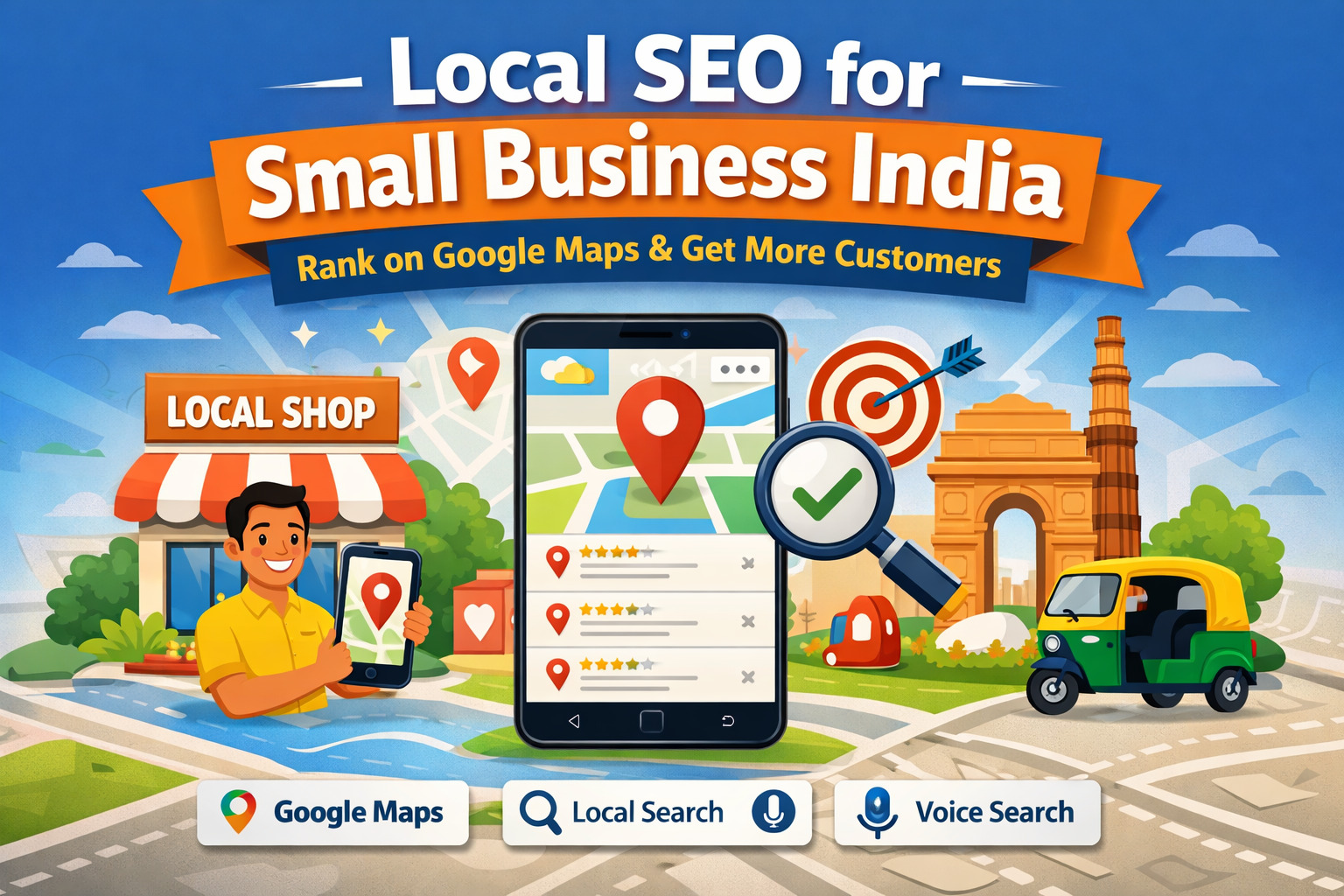
Why Google India Is Different
India is now the world’s largest internet market with over 900 million internet users, the majority of whom access the web on mobile devices through fast 5G networks. This unique combination of massive scale, mobile-first behavior, and rich linguistic diversity makes Google India a very different ecosystem compared to Google US or Google UK. Because of these differences, understanding How to Rank on Google India requires a localized SEO strategy that focuses on mobile optimization, regional search intent, and content tailored to India’s diverse audience.
| ✅ India adds approximately 30–40 million new internet users every year. Businesses that invest in SEO today are positioning themselves ahead of the next wave of digital consumers. |
India Internet by the Numbers
- 900M+ internet users — world’s largest market
- 70%+ of Google searches happen on mobile in India
- 22 officially recognised languages — most with growing search volumes
- Google holds 98%+ market share in India (vs ~90% globally)
- Voice search is 30%+ of queries in Hindi, growing YoY
- Average internet speed: ~80 Mbps broadband, ~15 Mbps mobile
- E-commerce GMV expected to reach $350 billion by 2030
Google India SERP — Visual Breakdown
Understanding what appears in the search results before your organic listing is essential. Here is a visual breakdown of a typical Google India SERP:
| GOOGLE INDIA SERP STRUCTURE |
| 🔝 Position 0 — Featured Snippet (Grabs ~35% CTR) |
| 📢 Positions 1–3 — Google Ads (Paid) |
| 🗺️ Local Pack — Google Business (3 listings) |
| 🔗 Organic Position 1 — #1 Organic Result (~28% CTR) |
| 🔗 Organic Positions 2–10 — Declining CTR curve |
| ❓ People Also Ask — Question boxes |
| 🔍 Related Searches — Bottom of page |
| ℹ️ Featured Snippets (Position 0) capture approximately 35% of clicks on mobile. Making it your primary goal for informational queries in India can double your organic traffic. |
Search Funnel — India Context
Mapping your content to where users are in the buying journey is foundational to a winning India SEO strategy:
| 1. AWARENESS — Informational queries “What is digital marketing India” |
| 2. CONSIDERATION — Commercial queries “Best digital marketing course India” |
| 3. DECISION — Transactional queries “Buy digital marketing course online” |
| 4. RETENTION — Brand queries “[Brand Name] login | support | contact” |
Keyword Research for the Indian Market
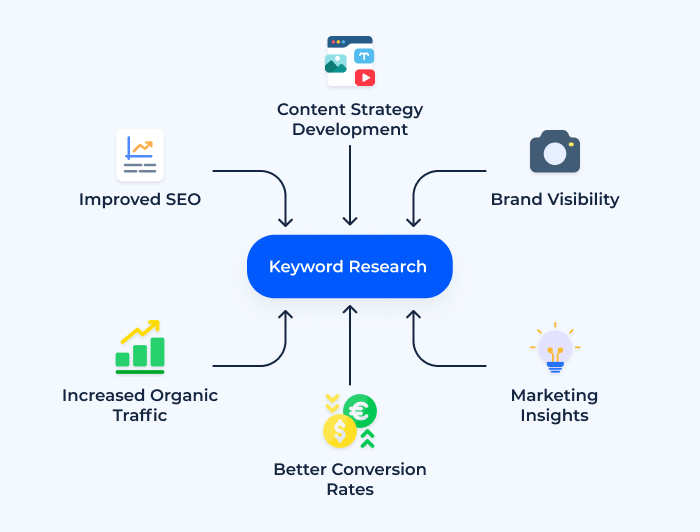
Keyword research for India demands a different approach than standard global SEO. Factors like Hinglish queries, seasonal festivals, price-sensitive language, and hyper-local intent all play a major role.
Types of Keywords & Examples
| Keyword Type | Example | Monthly Volume | Difficulty |
| Informational | What is GST in India | 110K | Medium |
| Navigational | SBI net banking login | 1.5M | High |
| Commercial | Best mobile under 15000 | 450K | High |
| Transactional | Buy iPhone 15 India online | 200K | Very High |
| Local / Geo | CA near me Bangalore | 90K | Low |
| Voice / Hinglish | Aaj ka mausam kaisa hai | 300K | Low |
| Long-tail | best AC for small room India 2024 | 18K | Low |
India-Specific Keyword Research Tactics
Use Google Search Console India Filter
In GSC, filter by country → India to discover your actual impressions and CTR for Indian queries. Many sites rank for Indian keywords without knowing it — and leave huge click potential untapped.
| ✅ Always check the ‘Country’ dimension in GSC and filter for India. You will often find high-impression, low-CTR keywords that just need better title tags to start driving clicks. |
Hinglish & Mixed-Language Keywords
Millions of Indians search in Hinglish — a blend of Hindi and English. These queries often have lower competition but high search volume:
- “best phone under 15000 wala” — transactional + Hinglish
- “ghar pe pizza kaise banaye” — how-to in Hinglish
- “SBI account mein paise kaise add karein” — banking help queries
- “near me” searches with Hindi city names — local intent
Festival & Seasonal Keywords
India’s rich festival calendar creates predictable search spikes. Build a content calendar around these events and publish 6–8 weeks in advance to rank in time:
| Month | Theme | Content Type | India Event / Hook |
| Jan | New Year Goals | List posts, guides | Republic Day prep, budget season |
| Feb–Mar | Spring & Exams | How-to, study guides | Holi, Board exams, IPL season |
| Apr–May | Summer Buying | Product reviews | Summer sales, AC/cooler demand |
| Jun–Jul | Monsoon | Seasonal content | Monsoon deals, travel guides |
| Aug–Sep | Festive Warmup | Gift guides, comparisons | Independence Day, Onam |
| Oct–Nov | Peak Festive | Deals, roundups | Navratri, Diwali, Dhanteras |
| Dec | Year-end Review | Listicles, recaps | Christmas sales, New Year prep |
Keyword Research Tools for India
- Google Keyword Planner — Set location to India, language to Hindi/English
- Google Trends India (trends.google.com/trends/?geo=IN) — spot emerging topics
- Ahrefs / SEMrush — Filter by India traffic; use Keyword Gap vs. competitors
- Answer The Public — Mine question-based queries in multiple Indian languages
- People Also Ask boxes — Goldmine for long-tail and FAQ schema opportunities
On-Page SEO for Google India
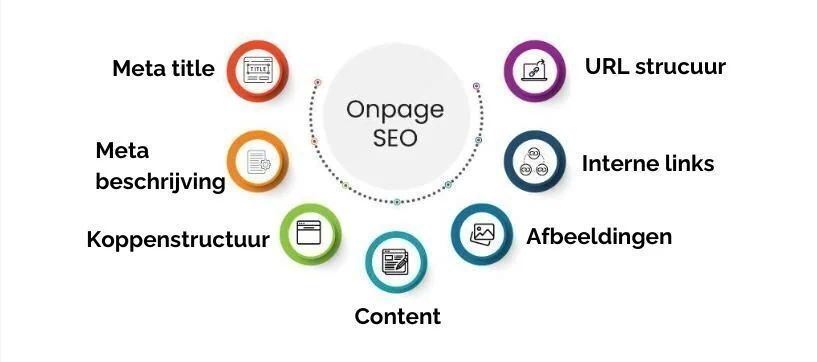
On-page SEO is the foundation of your ranking potential. Every element — from the title tag to internal links — needs to be optimised with India-specific signals in mind.
Title Tag Formula for India
| WINNING TITLE TAG FORMULA FOR INDIA |
| [Primary Keyword] — [Benefit/Value] | [Brand Name] |
| Example: “Best Mutual Funds in India 2025 — Expert-Picked Top 10 | Groww” |
- Keep titles under 60 characters for mobile SERPs
- Include the year for evergreen content to signal freshness
- Use power words: Free, Best, Complete, Exact, Quick, Easy
- For Hindi content: include the Devanagari keyword naturally
Meta Descriptions That Win Clicks in India
- 140–160 characters max (truncated on mobile at ~120 chars)
- Include primary keyword once, naturally
- Add a CTA: “Check Now”, “Download Free Guide”, “See Full List”
- Mention India-specific trust signals: “Used by 1 Lakh+ Indians”
- Use numbers: “15 Proven Ways”, “Save Up to 40%”, “Top 7 Tips”
Content Structure & E-E-A-T
Google’s E-E-A-T framework (Experience, Expertise, Authoritativeness, Trustworthiness) is especially important for YMYL (Your Money, Your Life) topics which are highly competitive in India — finance, health, law, and education.
| EXPERIENCE | EXPERTISE | AUTHORITY | TRUST |
| First-hand knowledge of the topic. Case studies, screenshots, real data. | Author credentials, bylines, industry certifications, depth of content. | Backlinks from reputed .in & edu domains, brand mentions, PR. | HTTPS, clear contact info, privacy policy, real business signals. |
Content Length & Depth
- Informational posts: 2,000–3,500 words for top-3 positions
- Pillar pages: 5,000–8,000 words + internal links to cluster pages
- Product/category pages: 600–1,500 words + rich schema
- FAQ sections: Minimum 5–8 questions with structured schema
- Update existing content every 6–12 months to maintain freshness signals
Schema Markup for Indian SERPs
Schema markup (structured data) is disproportionately valuable in India because it powers rich results, voice search answers, and Google Discover cards — all of which have high engagement from Indian users.
| ✅ Implementing FAQ Schema on an article can double its SERP real estate, increasing CTR by 20–30% with no additional ranking effort. |
- FAQ Schema — for any content with questions; shows as expandable SERP boxes
- HowTo Schema — step-by-step guides; rich results with images
- LocalBusiness Schema — mandatory for local SEO
- Product Schema — price, availability, reviews; boosts e-commerce SERPs
- Article / NewsArticle — for blog content; enables Google Discover
- BreadcrumbList — improves site structure signals in SERP
- Review / AggregateRating — star ratings in organic results
Technical SEO — India-Specific Requirements
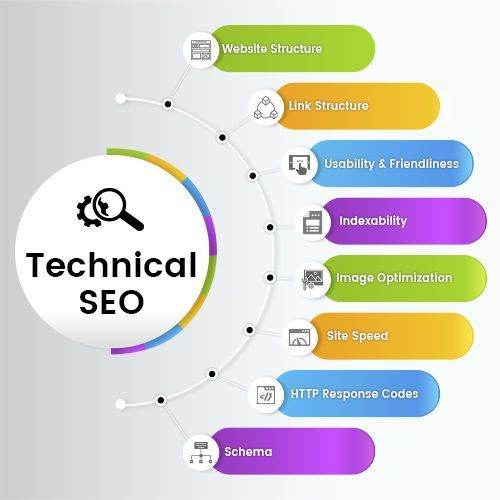
Technical SEO in India presents unique challenges: variable network speeds, the dominance of budget Android devices, and the need to serve 22+ language variants. Getting these right is non-negotiable.
Core Web Vitals — India Mobile Standards
Core Web Vitals are Google’s official page experience signals. They are especially impactful in India where users are sensitive to slow loads and will bounce instantly on a poor connection.
| LCP — Largest Contentful Paint | INP — Interaction to Next Paint | CLS — Cumulative Layout Shift |
| Target: ≤ 2.5 seconds | Target: ≤ 200 ms | Target: ≤ 0.1 |
| Optimize hero images, use CDN, defer render-blocking JS | Reduce JS execution, minimize main thread blocking | Set image dimensions, avoid inserting content above fold |
Technical SEO Checklist
| Technical Element | Recommended Setting | India Impact |
| Page Speed Target | LCP ≤ 2.5s, FID ≤ 100ms | Very High – slow 4G common |
| Image Compression | WebP, lazy-load, max 100KB | Reduces bounce rate by 30%+ |
| Server Location | Mumbai/Chennai CDN node | Lower TTFB for Indian users |
| Hreflang Tags | en-IN, hi, ta, te, kn, mr | Correct regional targeting |
| Robots.txt | Block staging/duplicate URLs | Prevent crawl budget waste |
| XML Sitemap | Submit via GSC India property | Faster Google discovery |
| Structured Data | FAQ, HowTo, LocalBusiness | Rich results in SERP |
| AMP (optional) | For news/blog content | Google Discover boosts |
| HTTPS | Full SSL, no mixed content | Trust signal + ranking |
| Canonical Tags | Self-referential on all pages | Avoid duplicate content |
Mobile-First Optimisation
Google indexes the mobile version of your site first. Since 70%+ of Indian users browse on mobile — often on budget devices with smaller screens — your mobile experience must be flawless:
| Mobile Must-Haves | Desktop Enhancements |
| Touch targets ≥ 48px | Richer interactivity allowed |
| Font size ≥ 16px body | Sidebar navigation |
| No horizontal scroll | Expanded table data |
| Fast tap response < 300ms | Multi-column layouts |
| Avoid intrusive interstitials | Pop-up lead forms |
| Compressed WebP images | Larger hero images |
| Minimal JS / Lazy load | Advanced animations |
| ⚠️ Test your site on a mid-range Android device (e.g., Redmi Note series) on a 4G connection. This is the median Indian user experience. If it is slow or unusable on this device, you are losing most of your audience. |
Page Speed Optimisation for India
- Compress all images to WebP format, max 100KB each
- Use a CDN with Indian PoPs (Cloudflare, AWS CloudFront Mumbai, Fastly)
- Enable GZIP/Brotli compression on your server
- Implement lazy loading for all below-fold images
- Defer non-critical JavaScript; inline critical CSS
- Use browser caching with long TTLs (1 year for static assets)
- Pre-connect to critical third-party origins (fonts, analytics)
- Aim for a total page weight under 500KB for mobile
Hreflang for Multi-Language India
If you serve content in multiple Indian languages, hreflang tags are essential to tell Google which version to show to users in specific regions:
| Language Code | Region Example |
| en-IN | English — India |
| hi | Hindi — all regions |
| ta | Tamil — Tamil Nadu |
| te | Telugu — Telangana / AP |
| kn | Kannada — Karnataka |
| mr | Marathi — Maharashtra |
Content Strategy for Indian Audiences
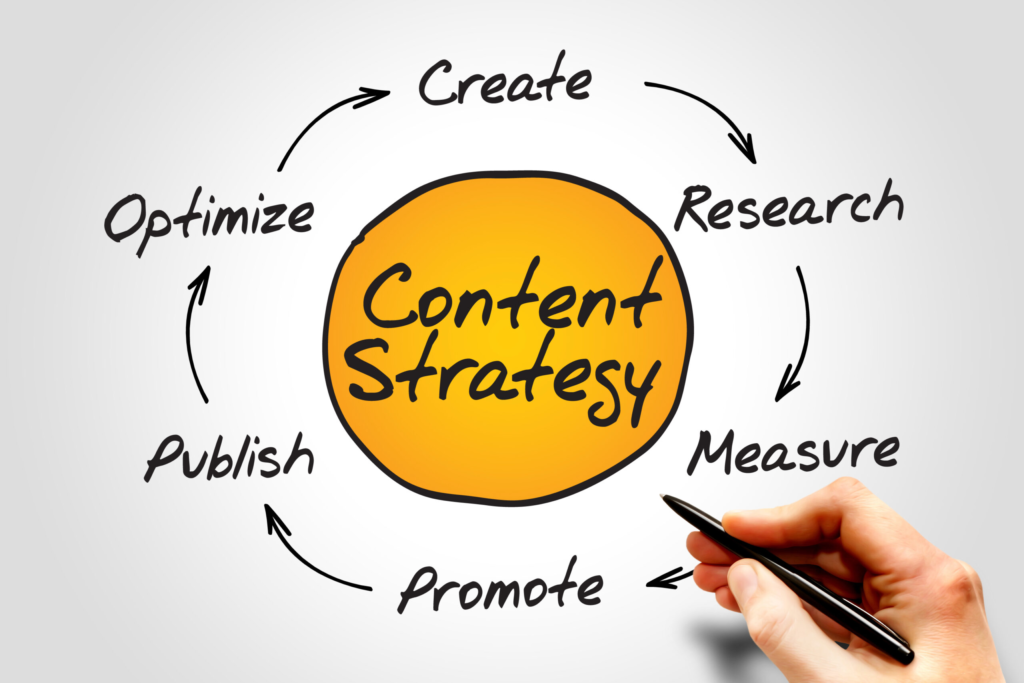
Content is the primary driver of organic rankings in India. A winning content strategy must balance English and regional language content, address the full user journey, and publish consistently around India’s unique cultural calendar.
The India Language Opportunity
While English content is competitive, regional language content represents an enormous underserved opportunity with lower competition and highly engaged audiences:
| Language | Internet Users | Key States | SEO Opportunity |
| Hindi | ~530M | UP, MP, Rajasthan, Bihar | Highest volume, low competition |
| English | ~200M | Metro cities, IT hubs | High intent, higher CPCs |
| Tamil | ~70M | Tamil Nadu, Sri Lanka | Growing e-commerce queries |
| Telugu | ~80M | Andhra, Telangana | Strong local business searches |
| Bengali | ~100M | West Bengal, Bangladesh | Underserved content gap |
| Kannada | ~50M | Karnataka | Tech-savvy audience |
| Marathi | ~70M | Maharashtra | Finance & business queries |
| ℹ️ Creating even 10–20 high-quality articles in Hindi or Tamil can unlock 5x more organic traffic than equivalent English content, due to dramatically lower competition in regional languages. |
Content Types That Rank in India
Comparison & Best-Of Articles
“Best X under ₹Y” and “X vs Y comparison” articles are among the highest-traffic content types in India, driven by price-conscious consumers researching purchases across electronics, finance, and education.
How-To & Tutorial Content
Practical how-to guides perform extremely well, especially for financial products (“How to open a Demat account”), tech tasks (“How to transfer UPI money”), and legal/government processes (“How to apply for PAN card online”).
Listicles & Roundups
“Top 10” and “Best 20” formats are highly shareable in India and attract strong backlinks from news aggregators and social sharing.
News & Trend Articles
Google Discover (formerly Google Feed) drives massive referral traffic for news-adjacent content. Publishing timely articles around India trending topics can bring sudden spikes of 10,000–100,000+ sessions.
| ✅ Enable Google Discover by adding NewsArticle schema, using large high-quality images (min 1200px wide), and maintaining a consistent publication frequency of at least 3–5 articles per week. |
Content Pillar & Cluster Strategy
The most effective content architecture for India SEO is the Topic Cluster model: one comprehensive Pillar Page on a broad topic, supported by 10–20 Cluster Articles on specific subtopics. All cluster articles interlink back to the pillar.
| Pillar Page | Cluster Articles (examples) | Target Queries |
| Personal Finance in India | Best mutual funds, SIP calculator, ITR filing guide, NPS vs PPF | finance + India, investment, tax |
| Digital Marketing India | Social media marketing, SEO tools India, email marketing, performance marketing | marketing + India, online business |
| E-commerce India | How to sell on Meesho, Flipkart seller guide, GST for online sellers | sell online, e-commerce setup |
Local SEO — Dominating the Google Local Pack
“Near me” searches in India have grown 5x in five years. Every business with a physical presence — or one serving a specific city or region — must invest in Local SEO to capture this intent.
Google Business Profile Optimisation
Your Google Business Profile (GBP) is the single most important signal for appearing in the Local Pack (the map with 3 business listings). Treat it like a second website.
- Verify your listing for every location
- Add all relevant categories — primary and secondary
- Upload 20+ high-quality photos: interior, exterior, team, products
- Fill every field: hours, phone, website, description, services
- Use keywords naturally in your business description
- Publish Google Posts every week — events, offers, product updates
- Respond to every review within 24 hours — include keywords in replies
- Add Questions & Answers with pre-seeded FAQs
| ℹ️ Listings with 100+ photos on GBP receive 520% more calls and 2,717% more direction requests than those without photos, according to Google’s own data. |
Local SEO Full Checklist
| Local SEO Action Item | Priority | Done? |
| Claim & verify Google Business Profile | Critical | ☐ |
| Add all categories, photos, services | High | ☐ |
| Get reviews with keyword responses | High | ☐ |
| NAP consistency across all directories | High | ☐ |
| Add location to title tags & meta | High | ☐ |
| Create city/area landing pages | Medium | ☐ |
| Submit to JustDial, IndiaMart, Sulekha | Medium | ☐ |
| Use LocalBusiness Schema markup | Medium | ☐ |
| Build citations on Indian directories | Medium | ☐ |
| Post Google Business updates weekly | Low | ☐ |
India-Specific Local Directories
Beyond Google, these Indian directories send trust signals and referral traffic:
| Directory | Best For | DA / Authority |
| JustDial | All local businesses | Very High |
| IndiaMART | B2B / Manufacturing | Very High |
| Sulekha | Services & contractors | High |
| TradeIndia | Wholesale / Trade | High |
| Yelp India | Restaurants & retail | High |
| Zomato / Swiggy | Restaurants | Very High |
| Practo | Healthcare providers | High |
Link Building for Google India Authority
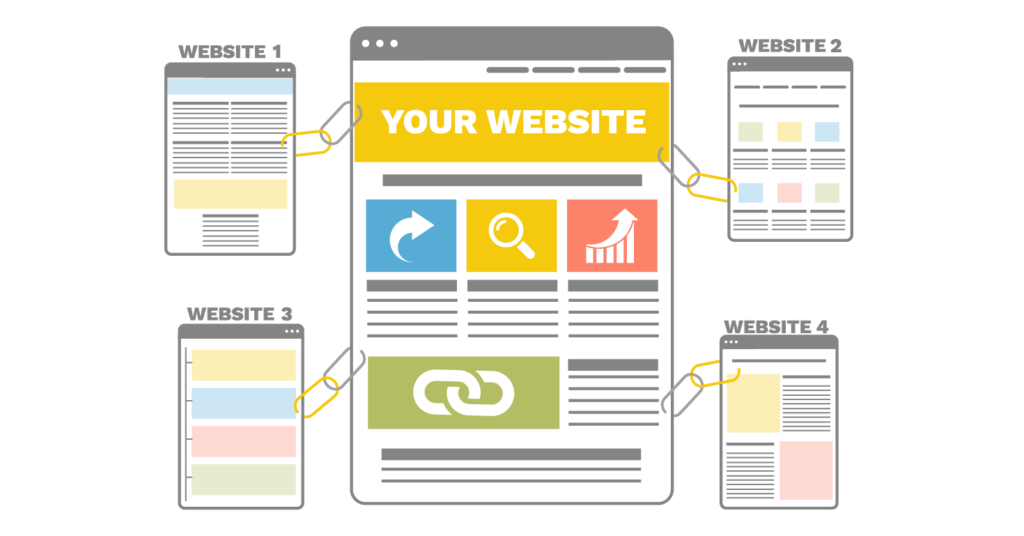
Backlinks remain one of Google’s top three ranking factors globally. In India, the key is building links from authoritative Indian domains (.in, .co.in, .gov.in, .edu.in) as well as global publications that cover India.
Backlink Strategy by Difficulty
| Strategy | Difficulty | India-Specific Tactics |
| Guest Posting | Medium | YourStory, Inc42, Entrepreneur India, MediaNama |
| Digital PR | High | Press releases on ANI, PTI, BusinessLine |
| Resource Link Building | Medium | Government & university resource pages (.gov.in, .ac.in) |
| Broken Link Building | Medium | Use Ahrefs/SEMrush to find dead links on .in domains |
| HARO / Qwoted India | Low | Expert quotes in The Hindu, Mint, Economic Times |
| Local Citations | Low | JustDial, IndiaMART, Sulekha, Tradeindia, TradeKey |
| Sponsorships | Low | Local events, college fests, cricket tournaments |
| Infographic Outreach | Medium | Data visualisations on India-specific statistics |
| ℹ️ A single high-authority link from Economic Times, YourStory, or TechCrunch India can move your domain rating by 5–10 points and dramatically increase your keyword rankings across all pages. |
Link Building Process for India
- Conduct a competitor backlink gap analysis using Ahrefs or SEMrush
- Identify the top 20 domains linking to competitors but not to you
- Create a content asset worth linking to: data study, free tool, comprehensive guide
- Build a list of 50–100 Indian journalists, bloggers, and editors in your niche
- Send personalised outreach emails — 30–40% open rate is achievable
- Follow up once after 5–7 days; do not spam
- Track all link placements and monitor for link losses monthly
Anchor Text Strategy
- Branded anchors: 40–50% (e.g., “Groww”, “Zepto”)
- Generic anchors: 20–25% (e.g., “click here”, “read more”, “this article”)
- Exact-match keyword: max 5–10% (e.g., “best mutual funds India”)
- Partial-match / LSI: 20–25% (e.g., “top SIP investments for Indians”)
| ⚠️ Over-optimised anchor text (more than 15% exact-match) is a key trigger for Google’s manual spam review in India, especially in finance and health niches. Keep it natural. |
Voice Search & Featured Snippets
India is one of the world’s largest voice search markets. Google Assistant is used in Hindi, Tamil, Telugu, Bengali and other Indian languages daily. Optimising for voice is no longer optional.
Why Voice Search Matters More in India
- 35%+ of all Indian search queries are voice-based
- Hindi voice search has grown 270% in 3 years
- Low-literacy users rely entirely on voice for internet access
- Smart speaker penetration is growing fast (Google Home, Amazon Echo)
- Voice results are read aloud from the Featured Snippet (Position 0)
Voice Search Optimisation Tactics
Voice queries are conversational, long, and question-based. Optimise for natural language rather than keyword-stuffed phrases:
| Traditional SEO Query | Voice Search Query |
| best AC India 2025 | Which AC is best to buy in India this year? |
| Aadhaar card download | How do I download my Aadhaar card on my phone? |
| petrol price Delhi today | What is the petrol price in Delhi today? |
| UPI payment not working | Why is my UPI payment not working right now? |
Winning Featured Snippets
Featured Snippets appear for approximately 19% of all Google searches. In India, they are extremely common for “How”, “What”, “Why”, and “Best” type queries. The content that wins the snippet is usually:
- A direct answer in the first 40–60 words after the heading
- Using an H2 or H3 heading phrased as the exact question
- Lists (ordered or unordered) of 3–8 items
- Tables comparing 3+ options with clear column headers
- Definitions: “[Term] is…” format for What Is queries
Measuring SEO Success — India KPI Dashboard
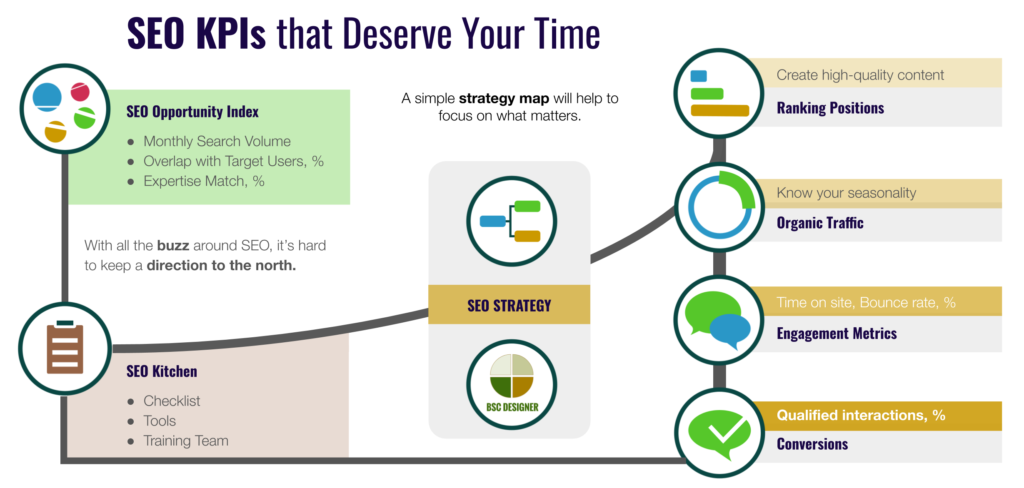
You cannot improve what you do not measure. Set up a complete analytics stack from day one and review performance weekly.
KPI Dashboard
| KPI | Starter Target | Growth Target | Tool to Track |
| Organic Sessions | 500/mo | 5,000/mo | Google Analytics 4 |
| Keyword Rankings (Pg 1) | 5 keywords | 50+ keywords | Google Search Console |
| Domain Rating (DR) | 20+ | 50+ | Ahrefs / Moz |
| Core Web Vitals Score | Pass | All Green | PageSpeed Insights |
| Backlinks (Referring Domains) | 25+ | 200+ | Ahrefs |
| Click-Through Rate (CTR) | 2%+ | 5%+ | Google Search Console |
| Bounce Rate | < 70% | < 50% | GA4 |
| Avg. Session Duration | 1m 30s | 3m+ | GA4 |
| Conversion Rate | 1%+ | 3%+ | GA4 Goals |
Essential SEO Toolkit for India
| Tool | Category | India Use Case |
| Google Search Console | Free – Analytics | Track impressions, CTR, queries for India geography |
| Google Analytics 4 | Free – Analytics | User behavior, conversion, audience demographics |
| Google PageSpeed Insights | Free – Technical | Core Web Vitals for Indian mobile devices |
| Google Business Profile | Free – Local SEO | Appear in Local Pack for ‘near me’ searches |
| Google Trends India | Free – Research | Festival & seasonal trend monitoring |
| Ahrefs / SEMrush | Paid – All-in-one | Keyword research, backlink analysis, competitor gaps |
| Screaming Frog | Freemium – Technical | Site crawl, broken links, duplicate content |
| Ubersuggest | Freemium – KW | Budget keyword research for Indian markets |
| Answer The Public | Freemium – Content | Question-based content ideation in Hindi/English |
| ChatGPT / Claude | AI – Content | Draft outlines, meta descriptions, FAQ schema |
| Canva / Visme | Design – Content | Infographics for Indian audience link building |
Google Search Console India Setup
- Add your property as a Domain property (covers all subdomains)
- Verify ownership via DNS TXT record
- Submit your XML sitemap under Sitemaps section
- Go to Performance → Add Filter → Country → India
- Monitor top queries, impressions, CTR, and average position weekly
- Set up email alerts for security issues and manual actions
- Check Core Web Vitals report monthly and fix any failing URLs
Your 12-Month Google India Ranking Roadmap
SEO is a 6–12 month investment. Here is a realistic month-by-month roadmap to take a new or underperforming website to Page 1 of Google India:
| Timeline | Focus Area | Key Actions |
| Week 1–2 | Technical Foundation | GSC setup, site audit, fix crawl errors, install SSL, speed optimize |
| Week 3–4 | Keyword Strategy | Research 100+ keywords, map to pages, identify content gaps |
| Month 2 | On-Page SEO | Optimise title/meta/H1s, add schema, internal linking overhaul |
| Month 3 | Content Creation | Publish 8–10 pillar articles targeting medium-difficulty keywords |
| Month 4 | Link Building Start | Guest posts x3, local citations, directory submissions |
| Month 5–6 | Authority Building | Digital PR, data studies, infographics, influencer outreach |
| Month 7–9 | Scale & Localise | Hindi/regional content, expand to more city pages, more links |
| Month 10–12 | Dominate & Diversify | Featured snippet targeting, video SEO, Google Discover optimization |
| ℹ️ Months 1–3 are about foundation and you will see little visible ranking movement. Months 4–6 bring the first significant results. Months 7–12 are where compound growth kicks in and traffic can double or triple. |
Ranking Timeline Expectations
| Keyword Difficulty | New Site | Established Site (DR 30+) |
| Low (KD 0–20) | 2–4 months | 2–6 weeks |
| Medium (KD 21–40) | 4–8 months | 1–3 months |
| Hard (KD 41–60) | 8–12 months | 3–6 months |
| Very Hard (KD 61+) | 12–24+ months | 6–12 months |
Advanced India SEO Tactics
Google Discover Optimisation
Google Discover appears on the Google app homepage and Chrome new tab for over 800 million Indian users. It can deliver tens of thousands of sessions in a single day for a viral article.
- Publish timely content tied to trending topics in India
- Use large, compelling images (minimum 1200 x 628px)
- Add NewsArticle or Article schema
- Write emotional, curiosity-driven headlines
- Maintain a publishing velocity of 5+ articles per week
YouTube SEO (India is #1 YouTube Market)
India is YouTube’s largest market. Video content ranks in Google India SERPs far more often than in other countries. Embedding optimised YouTube videos on your pages can dramatically increase time-on-page and ranking.
- Research keywords on YouTube with TubeBuddy or VidIQ
- Optimise video title, description, and tags with India-specific keywords
- Add transcripts and closed captions for Hindi/regional language videos
- Embed videos in relevant blog posts with a supporting article
- Create Shorts for short-form discovery (reels equivalent)
Google Shopping & E-Commerce SEO
For e-commerce sites, product page optimisation is where the majority of revenue-driving SEO happens in India:
- Optimise product titles with brand + model + key spec + “India” or “online”
- Write unique product descriptions — never copy manufacturer text
- Add Product Schema with price, availability, and review count
- Optimise category pages as if they were landing pages
- Build internal links from blog content to product pages
- Generate and respond to product reviews — social proof is critical
AI & SGE (Search Generative Experience) in India
Google’s AI Overviews (formerly SGE) is being rolled out in India. Pages that are cited in AI Overviews follow specific patterns:
- Comprehensive, factual content that directly answers questions
- Strong E-E-A-T signals — author bios, citations, original data
- Structured data that makes content easy for AI to parse
- Being the cited source in AI answers drives significant brand trust
| ✅ Optimising for AI Overviews in India means writing authoritative, structured, fact-dense content with clear attribution. The same content that wins Featured Snippets tends to be cited in AI Overviews. |
Conclusion — Your Path to Ranking on Google India
Ranking on Google India in 2025 requires a multi-layered strategy that is distinctly different from global SEO. The opportunity is enormous: a billion-user market, growing at 30 million new internet users per year, with dramatically lower competition in regional languages and local niches.
The businesses that will dominate Google India over the next five years are those that invest now in:
- Technical excellence — fast mobile sites that pass Core Web Vitals
- Content depth — comprehensive, E-E-A-T-rich content in English and regional languages
- Local authority — fully optimised Google Business Profiles with genuine reviews
- Strategic backlinks — from Indian and global authorities in your niche
- Consistent measurement — weekly GSC review, monthly KPI reporting
| ✅ Start today. Every month you delay is a month your competitors are publishing content, earning backlinks, and building domain authority. The best time to invest in India SEO was yesterday. The second best time is now. |